Adderall is one of the most commonly prescribed stimulant medications in the United States. When used as directed to treat attention-deficit/hyperactivity disorder (ADHD) or narcolepsy, it can improve focus, attention, and daily functioning. However, because Adderall increases dopamine and norepinephrine activity in the brain, it also carries a risk of misuse, dependence, and addiction.
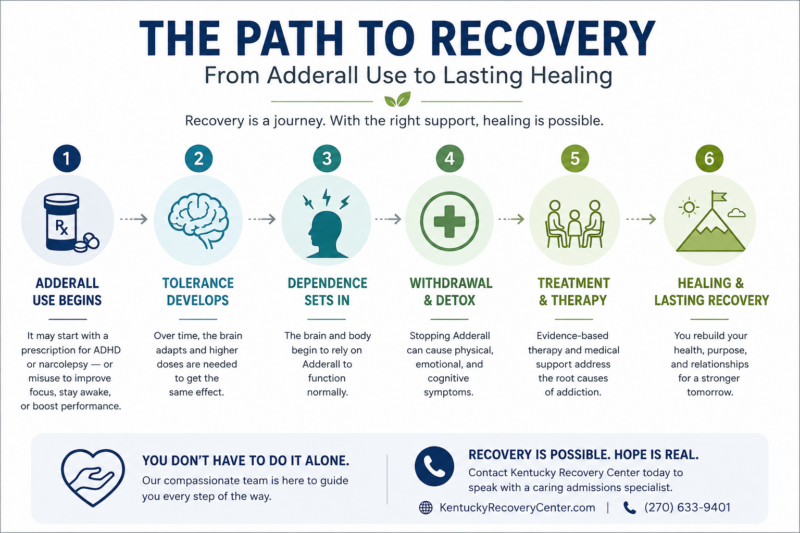
For many people, dependence develops gradually. What begins as a prescription to improve concentration or manage ADHD symptoms can evolve into taking larger doses, using the medication more frequently, or feeling unable to function without it. Others begin taking Adderall without a prescription to stay awake longer, improve academic performance, increase productivity at work, or enhance athletic performance. Over time, the brain adapts to the medication, making it increasingly difficult to stop without experiencing withdrawal symptoms.
Stopping Adderall after prolonged or heavy use can lead to intense fatigue, depression, anxiety, brain fog, increased appetite, sleep disturbances, and powerful cravings. Although stimulant withdrawal is rarely life-threatening, the emotional and psychological symptoms can be overwhelming and significantly increase the risk of relapse.
At Kentucky Recovery Center, we provide compassionate, evidence-based Adderall detox in Kentucky for individuals struggling with prescription stimulant dependence and addiction. Our medical and clinical team helps clients safely navigate withdrawal, address co-occurring mental health concerns, and begin building a foundation for lasting recovery through personalized treatment planning and ongoing support.
Whether your Adderall use began with a legitimate prescription or recreational misuse, recovery is possible. Detox is the first step toward restoring your physical health, emotional well-being, and quality of life.
What Is Adderall?
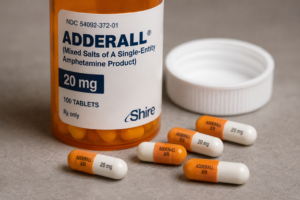
Adderall is a prescription central nervous system stimulant that contains a combination of amphetamine and dextroamphetamine. Healthcare providers commonly prescribe it to treat ADHD and narcolepsy because it increases attention, reduces impulsivity, and improves wakefulness.
When taken exactly as prescribed, Adderall can be an effective and safe medication for many individuals. It works by increasing dopamine and norepinephrine, two neurotransmitters that play essential roles in attention, motivation, learning, memory, and the brain’s reward system.
These same effects, however, also contribute to the medication’s potential for misuse. Higher doses can produce feelings of increased energy, confidence, focus, and euphoria. As a result, some people begin taking Adderall more often than prescribed or obtain it without a prescription to improve school performance, work productivity, or athletic endurance.
Repeated stimulant use changes how the brain responds to dopamine. Over time, natural dopamine production decreases, and the brain becomes less responsive without the medication. As tolerance develops, individuals often require larger doses to achieve the same effects, increasing the likelihood of dependence and addiction.
How Adderall Addiction Develops
Prescription Use vs. Misuse
Not everyone who develops an addiction to Adderall begins by misusing the medication. Many people are prescribed Adderall appropriately for ADHD or narcolepsy and follow their treatment plan carefully. Dependence can still develop after prolonged use, particularly if dosage adjustments become necessary or the medication begins feeling less effective.
Others misuse Adderall recreationally or as a “study drug.” College students, professionals, shift workers, and individuals in demanding careers sometimes take Adderall to stay awake longer, improve concentration, or meet unrealistic productivity expectations. What initially feels like improved performance can gradually become psychological and physical dependence.
Why Adderall Changes the Brain
Every time Adderall is taken, dopamine levels increase. Dopamine reinforces behaviors associated with reward, motivation, and pleasure. Over time, repeated stimulation causes the brain to adapt by reducing its natural dopamine production and decreasing receptor sensitivity.
This process, known as neuroadaptation, makes everyday activities feel less rewarding without the medication. Tasks that once seemed simple may suddenly require tremendous effort. Individuals often report feeling exhausted, emotionally flat, or unable to concentrate unless they continue taking Adderall.
Tolerance, Dependence, and Addiction
Although these terms are often used interchangeably, they describe different stages of stimulant use.
- Tolerance occurs when the same dose no longer produces the same effects, leading some individuals to increase their dosage.
- Dependence develops when the brain and body begin relying on Adderall to function normally, resulting in withdrawal symptoms when use stops.
- Addiction, also known as stimulant use disorder, involves compulsive use despite negative consequences affecting health, relationships, work, finances, or daily responsibilities.
Understanding these differences helps explain why many people who struggle with Adderall addiction never intended to misuse the medication. Addiction is a medical condition involving changes in brain function—not a lack of willpower or personal failure.

Who Is Most at Risk for Adderall Addiction?
Although anyone can develop a stimulant use disorder, certain populations face a higher risk because of occupational demands, academic pressure, underlying medical conditions, or prolonged exposure to prescription stimulants.
College and Graduate Students
Adderall misuse is especially common among students who believe stimulants will improve concentration, increase study time, or enhance academic performance. While some may initially experience improved focus, repeated misuse significantly increases the risk of dependence, addiction, and mental health complications.
Working Professionals
Executives, healthcare professionals, first responders, attorneys, and individuals working long hours may misuse Adderall to maintain productivity, meet deadlines, or combat fatigue. Chronic stimulant use often results in burnout, sleep disruption, anxiety, and increasing dependence.
Adults Living with ADHD
Many individuals with ADHD use Adderall safely under medical supervision. However, prolonged treatment, dosage escalation, or taking medication differently than prescribed can increase the risk of developing dependence. Seeking treatment for Adderall addiction does not necessarily mean someone no longer needs ADHD treatment. Comprehensive care focuses on safely managing both conditions.
Shift Workers and High-Stress Occupations
Individuals working overnight shifts, rotating schedules, or physically demanding jobs sometimes rely on stimulants to remain alert. Over time, this pattern can interfere with healthy sleep, emotional regulation, and natural energy production, increasing the likelihood of stimulant dependence.
Regardless of how Adderall misuse begins, early intervention greatly improves the likelihood of successful recovery. Recognizing the warning signs and seeking professional treatment before addiction progresses can help prevent more serious physical, emotional, and social consequences.
Signs and Symptoms of Adderall Addiction
Adderall addiction often develops gradually, making it difficult for individuals and their loved ones to recognize when recreational use or legitimate prescription use has become a substance use disorder. Because many people continue attending work, school, or fulfilling daily responsibilities, the warning signs can be subtle at first. Over time, however, the physical, emotional, and behavioral effects of stimulant dependence typically become more noticeable.
Recognizing these symptoms early can make a significant difference. Seeking treatment before addiction progresses often leads to a smoother detox experience and better long-term recovery outcomes.
Physical Signs of Adderall Addiction
Because Adderall stimulates the central nervous system, long-term misuse can affect nearly every system in the body. As tolerance develops, individuals often increase their dosage or take the medication more frequently, placing additional stress on their cardiovascular system, sleep cycle, and overall health.
Common physical symptoms include:
- Unexplained weight loss
- Decreased appetite
- Insomnia or chronic sleep deprivation
- Elevated heart rate
- High blood pressure
- Dry mouth
- Frequent headaches
- Muscle tension
- Restlessness
- Dilated pupils
- Chronic fatigue between doses
- Reduced energy when not using Adderall
As dependence worsens, many individuals notice that they feel physically exhausted without the medication and increasingly rely on Adderall simply to complete everyday tasks.
Behavioral Signs of Adderall Addiction
Behavioral changes are often among the earliest warning signs that stimulant use has become problematic. Many people begin adjusting their daily routines around obtaining, using, or recovering from Adderall.
Common behavioral symptoms include:
- Taking larger doses than prescribed
- Running out of medication early
- Using Adderall without a prescription
- Taking extra doses to improve focus or productivity
- Doctor shopping or seeking multiple prescriptions
- Buying pills from friends or online sources
- Neglecting work, school, or family responsibilities
- Declining academic or job performance without Adderall
- Social withdrawal
- Secretive behavior regarding medication use
- Continuing use despite negative consequences
Many individuals eventually realize they are no longer taking Adderall to feel energized—they are taking it simply to avoid feeling exhausted, unmotivated, or emotionally depleted.
Psychological and Emotional Symptoms
Because Adderall directly affects dopamine and norepinephrine, addiction frequently impacts emotional well-being and mental health. Some individuals experience significant mood changes even while continuing to use the medication.
Psychological symptoms may include:
- Anxiety
- Irritability
- Mood swings
- Depression
- Difficulty concentrating without Adderall
- Emotional numbness
- Increased stress sensitivity
- Panic attacks
- Paranoia with heavy misuse
- Loss of interest in previously enjoyable activities
When these symptoms begin interfering with daily life, professional treatment may be necessary to address both stimulant dependence and any underlying mental health conditions contributing to substance use.
Adderall Withdrawal Symptoms
One of the primary reasons people continue taking Adderall is to avoid withdrawal. Although stimulant withdrawal is generally not considered medically life-threatening, it can be emotionally and psychologically overwhelming. Many individuals describe Adderall withdrawal as one of the most mentally challenging experiences they have ever faced.
During prolonged stimulant use, the brain adapts to consistently elevated dopamine levels. Once Adderall use stops, dopamine production temporarily falls below normal, leaving individuals feeling physically exhausted, emotionally flat, and unable to experience pleasure from everyday activities.
This temporary imbalance explains why withdrawal often feels far more severe than people expect.
Physical Withdrawal Symptoms
Physical symptoms commonly begin within the first day after the last dose and may include:
- Extreme fatigue
- Excessive sleeping
- Increased appetite
- Body aches
- Headaches
- Low energy
- Slowed thinking
- Difficulty concentrating
Many individuals report feeling physically drained for several days as the body begins adjusting to functioning without stimulants.
Emotional Withdrawal Symptoms
Emotional symptoms are often the most difficult part of Adderall detox.
- Depression
- Anxiety
- Irritability
- Mood swings
- Hopelessness
- Low motivation
- Emotional numbness
- Intense cravings
Some individuals experience temporary suicidal thoughts or severe depression during withdrawal, particularly if they have underlying mental health conditions. For this reason, professional supervision is strongly recommended for anyone with significant stimulant dependence.
Psychological Withdrawal Symptoms
As the brain begins restoring healthy dopamine function, individuals may experience:
- Brain fog
- Poor concentration
- Memory difficulties
- Reduced motivation
- Anhedonia (difficulty experiencing pleasure)
- Difficulty making decisions
- Reduced productivity
These symptoms are temporary for most people, but recovery occurs gradually. Continued therapy, healthy routines, nutrition, exercise, and ongoing treatment help support the brain’s healing process.
Adderall Withdrawal Timeline
Every person’s experience with Adderall withdrawal is different. Factors such as dosage, length of use, overall health, co-occurring mental health conditions, and whether the medication was prescribed all influence the recovery process. While timelines vary, most individuals progress through several predictable stages.
First 24–48 Hours
The initial “crash” often begins within the first day after stopping Adderall.
Common symptoms include:
- Profound fatigue
- Excessive sleeping
- Increased appetite
- Low mood
- Difficulty concentrating
- Reduced motivation
Many individuals spend much of this period sleeping as the body begins recovering from prolonged stimulant use.
Days 3–7
During the first week, emotional symptoms frequently become more noticeable.
- Depression
- Anxiety
- Mood swings
- Irritability
- Brain fog
- Strong cravings
- Social withdrawal
This period often presents the greatest risk for relapse because many people begin using Adderall again simply to relieve uncomfortable withdrawal symptoms.
Weeks 2–4
As the brain gradually restores normal dopamine activity, many acute symptoms begin improving.
Individuals often notice:
- Improved sleep
- Increasing energy
- Reduced cravings
- Better concentration
- Greater emotional stability
Although progress continues, motivation and mental clarity may still fluctuate from day to day.
Long-Term Recovery
Some individuals experience post-acute withdrawal symptoms (PAWS) for several weeks or months after detox. These symptoms may include occasional cravings, temporary mood changes, reduced stress tolerance, or periods of low motivation.
This stage does not mean recovery has stalled. Rather, it reflects the brain’s ongoing healing process. Continued treatment, counseling, relapse prevention planning, and healthy lifestyle changes help support long-term recovery and significantly reduce the risk of returning to stimulant use.
Can You Detox from Adderall at Home?
Many people considering recovery wonder whether they can safely stop taking Adderall on their own. While Adderall withdrawal is generally not considered medically life-threatening like alcohol or benzodiazepine withdrawal, attempting to detox at home is not always the safest or most effective option.
One of the greatest challenges during stimulant withdrawal is not physical discomfort—it’s the emotional and psychological symptoms. Severe fatigue, depression, anxiety, mood swings, cravings, and an inability to experience pleasure can make it difficult to remain committed to recovery. These symptoms often lead people to begin taking Adderall again simply to feel “normal.”
Individuals with a history of depression, anxiety disorders, bipolar disorder, trauma, or suicidal thoughts may face additional risks during withdrawal. Professional treatment provides medical oversight, emotional support, and therapeutic interventions that can help reduce relapse risk while ensuring underlying mental health conditions are appropriately addressed.
Seeking professional care isn’t a sign of weakness—it’s a proactive decision that gives you the best opportunity to begin recovery safely and successfully.
Benefits of Medical Adderall Detox
Medical detox provides far more than simply stopping drug use. It creates a structured, supportive environment where individuals can begin recovering physically and emotionally while preparing for ongoing addiction treatment.
At Kentucky Recovery Center, our goal is to help each client stabilize safely while developing an individualized plan for long-term recovery.
Comprehensive Medical Assessment
Every client begins treatment with a thorough evaluation that reviews:
- Current and past Adderall use
- Prescription history
- Other substance use
- Physical health conditions
- Mental health concerns
- Current medications
- Previous treatment experiences
- Recovery goals
This assessment allows our clinical team to develop a treatment plan tailored to each individual’s unique needs.
Withdrawal Monitoring
Although stimulant withdrawal is rarely medically dangerous, symptoms can change quickly during the first several days. Ongoing monitoring helps ensure clients remain safe and comfortable while healthcare professionals assess emotional well-being, sleep patterns, nutrition, hydration, and overall progress.
Mental Health Support
Many individuals entering Adderall detox have co-occurring mental health conditions that contributed to stimulant misuse. During detox, our team helps clients begin addressing concerns such as anxiety, depression, trauma, stress, and ADHD while providing emotional support throughout the withdrawal process.
Relapse Prevention Begins Immediately
Recovery starts long before detox is complete. Throughout treatment, clients begin identifying personal triggers, developing healthier coping strategies, and preparing for the next stage of care. Beginning relapse prevention during detox creates a stronger foundation for lasting recovery.
What to Expect During Adderall Detox at Kentucky Recovery Center
Every person’s recovery journey is different. At Kentucky Recovery Center, we recognize that effective treatment requires an individualized approach that addresses the physical, emotional, and psychological effects of stimulant addiction.
Rather than simply helping clients stop using Adderall, our team focuses on preparing them for sustainable, long-term recovery.
Personalized Treatment Planning
Following the initial assessment, our clinical team develops a treatment plan based on each client’s medical history, substance use patterns, mental health needs, family situation, and recovery goals. Because no two individuals experience addiction the same way, treatment plans are designed specifically for each person’s circumstances.
Medical and Clinical Support
Throughout detox, clients receive ongoing care from experienced professionals who understand the unique challenges associated with stimulant withdrawal. Our team monitors progress, provides emotional support, evaluates mental health symptoms, and helps clients navigate the recovery process in a safe and structured environment.
Individual and Group Therapy
Therapy often begins during detox. Individual counseling allows clients to explore the factors contributing to addiction, while group therapy provides encouragement, accountability, and support from others facing similar challenges.
Beginning therapy early helps clients develop insight into their substance use while learning healthier ways to manage stress, emotions, and daily responsibilities.
Dual Diagnosis Care
Many people who struggle with Adderall addiction also experience co-occurring mental health conditions. Treating only the addiction without addressing underlying concerns often increases the risk of relapse.
Our integrated approach helps identify and address conditions such as:
- ADHD
- Anxiety disorders
- Depression
- Bipolar disorder
- Trauma-related disorders
- Chronic stress
- Sleep disorders
Addressing both addiction and mental health together helps improve long-term treatment outcomes.
Preparing for Continued Treatment
Detox is the first step—not the final destination. Before completing detox, clients work with their treatment team to determine the next level of care that best supports their recovery.
Depending on individual needs, recommendations may include residential treatment, partial hospitalization (PHP), intensive outpatient programming (IOP), outpatient therapy, medication management, family counseling, alumni services, or ongoing relapse prevention support.
Adderall Detox vs. Adderall Rehab
Although these terms are often used interchangeably, detox and rehab serve different purposes within the recovery process.
| Adderall Detox | Adderall Rehab |
|---|---|
| Helps manage withdrawal symptoms | Treats the underlying causes of addiction |
| Focuses on physical stabilization | Focuses on long-term behavioral change |
| Typically lasts several days | May continue for weeks or months |
| Medical and clinical monitoring | Individual, group, and family therapy |
| Beginning of recovery | Building lifelong recovery skills |
Completing detox is a significant achievement, but recovery does not end there. Lasting sobriety requires addressing the emotional, behavioral, and environmental factors that contributed to substance use in the first place.
Treating Co-Occurring Mental Health Disorders
Substance use disorders and mental health conditions frequently occur together. In many cases, individuals begin using Adderall to manage symptoms of anxiety, depression, ADHD, chronic stress, or emotional trauma without realizing that stimulant misuse may ultimately worsen these conditions.
Effective treatment addresses both the addiction and any underlying mental health disorders simultaneously rather than treating them as separate issues.
ADHD and Adderall Addiction
Developing an addiction to Adderall does not necessarily mean someone never needed treatment for ADHD. During recovery, healthcare professionals can evaluate alternative treatment strategies, behavioral therapies, and medication options that support long-term wellness while reducing the risk of future misuse.
Anxiety and Depression
Many individuals initially experience increased energy or confidence while taking Adderall. Over time, however, stimulant misuse often contributes to worsening anxiety, depression, irritability, and emotional instability. Comprehensive treatment helps clients develop healthier coping strategies while addressing these underlying conditions.
Trauma and Chronic Stress
Past trauma, chronic workplace stress, academic pressure, and unresolved emotional experiences frequently contribute to stimulant misuse. Therapy helps individuals process these experiences while building healthier responses to future stressors.
By treating the whole person—not simply the addiction—Kentucky Recovery Center helps clients develop the skills, resilience, and support needed for lasting recovery.
The Risks of Counterfeit Adderall
In recent years, counterfeit Adderall has become an increasingly serious public health concern. Many individuals who purchase pills online, through social media, or from unauthorized sellers believe they are obtaining legitimate prescription medication. In reality, counterfeit pills often contain dangerous substances that dramatically increase the risk of overdose and other life-threatening complications.
Unlike medications dispensed by licensed pharmacies, counterfeit pills are manufactured without quality control or consistent ingredients. A pill that appears identical to prescription Adderall may contain completely different substances, unpredictable dosages, or highly potent synthetic drugs.
Counterfeit Pills May Contain Fentanyl
One of the greatest dangers associated with counterfeit Adderall is the presence of illicitly manufactured fentanyl. Fentanyl is a synthetic opioid that is significantly more potent than morphine and has contributed to thousands of overdose deaths across the United States.
Because fentanyl has no stimulant effects, individuals taking what they believe is Adderall may unknowingly consume a lethal opioid. Even a very small amount can cause respiratory depression, unconsciousness, and overdose, particularly for someone without opioid tolerance.
This risk highlights the importance of only taking medications exactly as prescribed and obtained from licensed pharmacies.
Other Dangerous Ingredients
Counterfeit stimulant pills have also been found to contain:
- Methamphetamine
- Other amphetamine analogues
- Caffeine in extremely high doses
- Unknown cutting agents
- Synthetic chemicals with unpredictable effects
Because counterfeit pills are produced illegally, there is no way to know what ingredients they contain or how potent they may be. Two pills that appear identical may contain completely different substances.
If your Adderall comes from anyone other than a licensed healthcare provider or pharmacy, it may not be Adderall at all.
Life After Adderall Addiction
One of the biggest fears people have before entering treatment is wondering whether they will ever feel “normal” again.
After months or years of stimulant dependence, it can be difficult to imagine working, studying, socializing, or enjoying life without Adderall. Many individuals worry they have permanently damaged their brain or lost their ability to focus, succeed, or stay motivated.
The reality is far more encouraging.
The brain has an incredible ability to heal. Although recovery takes time, most people experience gradual improvements in energy, concentration, emotional stability, and overall well-being as they continue treatment and maintain sobriety.
Healing Takes Time
During the first several weeks after detox, many individuals notice steady improvements in sleep quality, appetite, energy levels, and mood. As dopamine activity gradually returns to normal, concentration often improves, motivation increases, and everyday activities become enjoyable again.
Recovery timelines vary from person to person, but consistent participation in treatment significantly improves long-term outcomes.
Building Healthy Habits
Recovery involves much more than stopping stimulant use. Long-term success often includes developing healthy routines that support both physical and emotional wellness.
These habits may include:
- Maintaining consistent sleep schedules
- Regular physical activity
- Balanced nutrition
- Stress management techniques
- Individual counseling
- Support groups
- Mindfulness and relaxation practices
- Healthy social connections
These daily habits help strengthen recovery while reducing the likelihood of returning to stimulant use during periods of stress.
Returning to Work, School, and Daily Life
Many clients worry they won’t be able to succeed professionally or academically without Adderall. As recovery progresses, most discover that healthy sleep, improved mental health, effective coping strategies, and ongoing therapeutic support allow them to perform well without relying on stimulant misuse.
Recovery is not about becoming the person you were before addiction. It is about becoming healthier, more resilient, and better equipped to manage life’s challenges.
How Families Can Support Recovery
Addiction affects entire families, not just the individual struggling with substance use. Loved ones often experience confusion, frustration, fear, and emotional exhaustion long before treatment begins.
Because Adderall addiction frequently develops in individuals who appear highly successful, families sometimes question whether their concerns are justified. Personality changes, irritability, secrecy, declining relationships, or emotional withdrawal may be dismissed as stress rather than signs of addiction.
Education and involvement can play an important role in recovery.
Family participation often helps:
- Improve communication
- Rebuild trust
- Establish healthy boundaries
- Reduce enabling behaviors
- Strengthen long-term recovery support
- Improve treatment outcomes
At Kentucky Recovery Center, we recognize that addiction impacts the entire family system. When appropriate, involving loved ones in the recovery process can strengthen relationships and create a healthier support network after treatment.
Why Choose Kentucky Recovery Center for Adderall Detox?
Choosing an addiction treatment provider is one of the most important decisions you or your family can make. At Kentucky Recovery Center, we combine compassionate care with evidence-based treatment to help individuals safely begin recovery from Adderall addiction and other substance use disorders.
Our multidisciplinary team understands that every client’s experience with addiction is different. Rather than relying on a one-size-fits-all approach, we develop individualized treatment plans designed to address each person’s medical history, mental health needs, recovery goals, and personal circumstances.
Comprehensive, Individualized Care
Our treatment approach focuses on treating the whole person rather than simply managing withdrawal symptoms.
Clients benefit from:
- Individualized treatment planning
- Medical and clinical support
- Evidence-based behavioral therapies
- Dual diagnosis treatment
- Family involvement when appropriate
- Relapse prevention planning
- Continuing care recommendations
Evidence-Based Addiction Treatment
Recovery is most successful when treatment addresses both the physical and psychological aspects of addiction. Our programs incorporate evidence-based practices designed to help clients understand addiction, build healthy coping skills, improve emotional wellness, and develop lasting recovery strategies.
A Continuum of Care
Detox is only the beginning of recovery. Depending on individual needs, clients may transition into additional levels of care, including residential treatment, partial hospitalization (PHP), intensive outpatient programming (IOP), outpatient treatment, family therapy, and ongoing recovery support.
By providing access to a full continuum of care, Kentucky Recovery Center helps clients continue building recovery long after detox has ended.
Start Adderall Detox in Kentucky Today
If you or someone you love is struggling with Adderall addiction, you don’t have to face recovery alone.
Whether your dependence developed from a legitimate prescription or recreational stimulant use, professional treatment can help you safely manage withdrawal, address the underlying causes of addiction, and begin building a healthier future.
At Kentucky Recovery Center, our experienced admissions team is available to answer your questions, verify insurance benefits, explain treatment options, and help you determine the level of care that’s right for your needs.
The first step toward recovery starts with a single conversation.
Contact Kentucky Recovery Center today to learn more about our medically supervised Adderall detox program and begin your journey toward lasting recovery.
Frequently Asked Questions About Adderall Detox in Kentucky
How long does Adderall withdrawal last?
Withdrawal timelines vary based on factors such as dosage, length of use, metabolism, overall health, and whether other substances are involved. Most people begin experiencing symptoms within 24 hours of their last dose. The most intense symptoms typically occur during the first week, while fatigue, low motivation, and mood changes may gradually improve over several weeks. Some individuals experience post-acute withdrawal symptoms (PAWS) for several months as the brain continues healing.
Is Adderall withdrawal dangerous?
Unlike alcohol or benzodiazepine withdrawal, Adderall withdrawal is generally not considered medically life-threatening. However, it can cause severe depression, anxiety, emotional instability, and intense cravings. Some individuals may experience suicidal thoughts or worsening mental health symptoms, making professional treatment an important consideration for safety and long-term recovery.
Can you quit Adderall cold turkey?
Many people stop taking Adderall abruptly, but doing so can trigger significant withdrawal symptoms, including profound fatigue, depression, brain fog, irritability, and cravings. While withdrawal is usually not medically dangerous, professional support can make the process safer, more comfortable, and reduce the likelihood of relapse.
Can you die from Adderall withdrawal?
Adderall withdrawal itself is not typically fatal. The greatest concerns involve psychological symptoms such as depression, impaired judgment, and relapse. Individuals with co-occurring mental health conditions should seek professional evaluation before attempting to stop stimulant use.
What does an Adderall crash feel like?
An Adderall crash often occurs within several hours after the medication wears off or shortly after stopping use. Many individuals describe overwhelming fatigue, excessive sleeping, irritability, depression, increased appetite, poor concentration, and feeling emotionally drained.
Why am I so tired after stopping Adderall?
Adderall increases dopamine and norepinephrine activity in the brain. When stimulant use stops, these neurotransmitters temporarily decrease while the brain restores its natural balance. During this adjustment period, fatigue is one of the most common withdrawal symptoms.
Can Adderall withdrawal cause depression?
Yes. Depression is one of the most frequently reported symptoms during stimulant withdrawal. Some people experience mild sadness, while others develop severe depressive symptoms that require professional treatment. Medical supervision can help monitor emotional well-being throughout detox.
Can Adderall withdrawal cause anxiety?
Yes. Anxiety commonly occurs during withdrawal as the brain adapts to functioning without stimulants. Some individuals also experience panic attacks, increased stress sensitivity, irritability, or difficulty regulating emotions during early recovery.
Will my brain recover after Adderall addiction?
Research suggests that the brain has a remarkable ability to heal following stimulant dependence. While recovery takes time, many people experience significant improvements in concentration, memory, emotional stability, motivation, and energy as they maintain sobriety and participate in ongoing treatment.
Is detox enough to overcome Adderall addiction?
Detox is an important first step, but it addresses only the physical aspects of dependence. Long-term recovery typically involves therapy, relapse prevention, treatment for co-occurring mental health conditions, healthy lifestyle changes, and continued support through residential or outpatient treatment.
What happens after detox?
After detox, many individuals transition into additional levels of care based on their needs. This may include residential treatment, partial hospitalization (PHP), intensive outpatient programming (IOP), outpatient therapy, family counseling, medication management, and relapse prevention planning.
Can I detox from Adderall at home?
Some people attempt to detox at home, but withdrawal symptoms can become emotionally overwhelming. Professional detox provides structured support, clinical monitoring, and treatment for underlying mental health conditions while helping reduce the risk of relapse.
Can I still receive treatment for ADHD after Adderall addiction?
Yes. Developing an addiction to Adderall does not necessarily mean someone no longer needs treatment for ADHD. Healthcare providers can evaluate alternative medications, behavioral therapies, coaching, and other evidence-based treatment options that support long-term symptom management while reducing the risk of future misuse.
Does Adderall addiction affect college students?
Yes. College students are among the populations most likely to misuse prescription stimulants for studying, completing assignments, or improving academic performance. Repeated misuse can increase the risk of dependence, addiction, and mental health complications.
Can professionals become addicted to Adderall?
Absolutely. Executives, healthcare professionals, first responders, shift workers, attorneys, and individuals in demanding careers sometimes misuse Adderall to increase productivity or stay awake longer. Addiction can develop gradually regardless of occupation or educational background.
How long does medical Adderall detox take?
The length of detox varies depending on each individual’s medical history, withdrawal symptoms, and treatment needs. Many people complete the acute detox phase within several days, while ongoing recovery continues through therapy and additional levels of care.
What if I relapse after detox?
Relapse does not mean treatment has failed. Addiction is a chronic medical condition, and setbacks can occur during recovery. Returning to treatment promptly allows healthcare providers to adjust the recovery plan, strengthen coping strategies, and help individuals continue progressing toward long-term sobriety.
Does insurance cover Adderall detox?
Many commercial insurance plans provide coverage for medically necessary addiction treatment services. Benefits vary depending on the policy, provider network, and recommended level of care. Kentucky Recovery Center can help verify your insurance benefits before admission.
How do I know if I need treatment for Adderall addiction?
You may benefit from professional treatment if you take more Adderall than prescribed, experience withdrawal symptoms when you stop, feel unable to function without the medication, continue using despite negative consequences, or find yourself unable to control your stimulant use. An addiction assessment can help determine the most appropriate level of care.
What makes Kentucky Recovery Center different?
Kentucky Recovery Center provides individualized, evidence-based addiction treatment that addresses both substance use disorders and co-occurring mental health conditions. Our multidisciplinary team develops personalized treatment plans focused on medical stabilization, emotional wellness, relapse prevention, and long-term recovery.
Medical Review and Clinical Accuracy
This content has been reviewed for medical accuracy, clinical relevance, and alignment with current evidence-based addiction treatment practices.
Medical Reviewer
Dr. Vahid Osman, M.D.
Board-Certified Psychiatrist
Addiction Medicine Specialist
Dr. Osman specializes in the diagnosis and treatment of substance use disorders, co-occurring mental health conditions, medication management, and evidence-based behavioral healthcare.
Last Medical Review: July 2026
About Kentucky Recovery Center
Kentucky Recovery Center is a licensed addiction and behavioral health treatment provider located in Franklin, Kentucky. We provide evidence-based care for individuals struggling with alcohol addiction, prescription drug misuse, opioid use disorder, stimulant addiction, co-occurring mental health conditions, and other substance use disorders.
Our comprehensive continuum of care includes medical detoxification, residential treatment, dual diagnosis care, individual counseling, group therapy, family therapy, relapse prevention planning, and ongoing recovery support. Every treatment plan is individualized to address each client’s unique medical, psychological, and recovery needs.
Our mission is to provide compassionate, clinically excellent care that empowers individuals and families to build healthier lives and achieve lasting recovery.
References
American Addiction Centers. (2025). Adderall withdrawal and detox.
Cleveland Clinic. (2025). Amphetamine use, dependence, and withdrawal.
National Institute on Drug Abuse. (2025). Prescription stimulants drug facts.
Substance Abuse and Mental Health Services Administration. (2025). Treatment Improvement Protocol (TIP) 33: Treatment for stimulant use disorders.
U.S. Food and Drug Administration. (2025). Adderall prescribing information.
World Health Organization. (2025). Management of stimulant use disorders.

Call or message us

Free assessment

Insurance check

Choose a start date
 Medically Reviewed By:
 Clinically Reviewed By:
Our Verifications & Affiliations






Did you know that your insurance plan may cover medical detox?
Get Family Support Now
Supporting Families Through Recovery
We understand addiction affects the whole family. Our comprehensive family program helps rebuild trust and restore relationships.
Weekly Family Therapy Sessions
Educational Workshops
Support Groups
Communication Skills Training
Get Family Support Now