
Fentanyl Detox in Kentucky: Withdrawal Support and Next Steps
If you’re searching for fentanyl detox in Kentucky, you’re likely looking for more than general information. You may be wondering what fentanyl withdrawal feels like, whether it’s safe to detox at home, how long withdrawal lasts, or what treatment options offer the best chance for lasting recovery. These are important questions because fentanyl isn’t just another opioid. It’s one of the most powerful synthetic opioids available, and its potency dramatically increases the risks of dependence, overdose, relapse, and life-threatening complications. Fentanyl detox is the process of safely stopping fentanyl use while managing the physical and emotional withdrawal symptoms that occur as the body adjusts to functioning without the drug. For many people, detox is the first and most important step toward recovery. During this stage, individuals may experience intense cravings, muscle aches, nausea, anxiety, insomnia, and other symptoms that can make quitting without medical support extremely difficult. A medically supervised fentanyl detox program helps improve comfort, safety, and stability while preparing individuals for ongoing addiction treatment. It’s equally important to understand what detox can and cannot accomplish. Detox addresses the physical effects of opioid dependence, but it doesn’t treat the underlying causes of addiction, co-occurring mental health disorders, or the behavioral patterns that contribute to substance use. Lasting recovery typically requires continued treatment through residential care, outpatient therapy, medication-assisted treatment (MAT), relapse prevention, and ongoing recovery support after detox is complete. Fear of withdrawal can be a major barrier to seeking help. Some delay treatment because they’ve heard withdrawal is unbearable, while others have attempted to quit on their own only to relapse because the symptoms became too overwhelming. An appropriately staffed medical detox setting can provide monitoring, symptom management and planning for continuing care. Because overdose risk increases after tolerance decreases, individualized professional care is important. Kentucky Recovery Center can discuss treatment options and help determine whether medically supervised withdrawal management or referral to an appropriate provider is needed. Rather than simply helping someone stop using fentanyl for a few days, we focus on building the foundation for long-term recovery and reducing the risk of future relapse.
Overdose emergency
If someone is unresponsive or breathing slowly, call 911 immediately, administer naloxone if available, and follow emergency dispatcher instructions. Do not leave them alone.
Why Is Fentanyl More Dangerous Than Other Opioids?
Fentanyl is a synthetic opioid, meaning it’s manufactured in a laboratory rather than derived directly from the opium poppy. While pharmaceutical fentanyl is prescribed in carefully controlled medical settings to manage severe pain, the illicitly manufactured fentanyl found in today’s drug supply has become a leading driver of the opioid overdose epidemic. Because fentanyl is approximately 50 times more potent than heroin and up to 100 times more potent than morphine, even a very small amount can slow or stop breathing, leading to a life-threatening overdose.
One of the greatest dangers of fentanyl is how unpredictable it can be. Illicit fentanyl is frequently mixed into heroin, counterfeit prescription pills, cocaine, methamphetamine, and other street drugs without the user’s knowledge. Someone may believe they’re taking a prescription pain medication or another substance entirely, only to unknowingly consume fentanyl. Since there’s no reliable way to determine how much fentanyl is present in an illicit drug, every use carries a significant risk of overdose.
Fentanyl’s extreme potency also accelerates the development of physical dependence. With repeated use, the brain and body quickly adapt to the drug, making it increasingly difficult to function normally without it. As tolerance increases, many individuals require larger or more frequent doses to achieve the same effect, creating a dangerous cycle that raises both dependence and overdose risk.
When fentanyl use suddenly stops, the body must rapidly adjust to functioning without opioids. This transition often triggers intense fentanyl withdrawal symptoms, including severe cravings, anxiety, muscle aches, nausea, insomnia, sweating, and gastrointestinal distress. While fentanyl withdrawal is not usually life-threatening on its own, the symptoms can become so overwhelming that many people return to opioid use simply to make them stop.
Relapse after fentanyl use carries particularly serious risks. Even after only a short period without opioids, a person’s tolerance begins to decrease. If they return to using the same amount of fentanyl they previously tolerated, the likelihood of a fatal overdose increases dramatically. This is one of the primary reasons why medically supervised fentanyl detox is so important. Professional care not only helps manage withdrawal symptoms but also reduces the risk of relapse during one of the most vulnerable stages of recovery.
For people searching for fentanyl detox in Kentucky, these risks highlight why professional treatment matters. Fentanyl addiction is often more unpredictable and dangerous than dependence on many other opioids, making medical detox the safest way to begin recovery. A structured detox program provides clinical monitoring, evidence-based symptom management, and a clear path into ongoing addiction treatment, helping individuals move beyond withdrawal and toward lasting recovery.
What Makes Fentanyl Detox Different from Detoxing from Other Opioids?
Although fentanyl detox shares similarities with withdrawal from heroin, oxycodone, hydrocodone, and other opioids, fentanyl presents unique challenges that often make the detox process more difficult. Its extreme potency, widespread presence in the illicit drug supply, and the rapid physical dependence it can create mean many people experience more severe cravings, unpredictable withdrawal symptoms, and a greater risk of relapse during the earliest stages of recovery.
One reason fentanyl detox can feel different is the drug’s potency. Fentanyl is significantly stronger than many other opioids, allowing physical dependence to develop quickly with regular use. As the brain and body adapt to the presence of fentanyl, even a short period without it may trigger withdrawal symptoms. While some people experience symptoms within hours of their last dose, others may notice a more gradual onset. The timing and severity of withdrawal depend on factors such as how long fentanyl was used, how frequently it was taken, whether other substances were involved, and each person’s overall health.
Another challenge is that many people don’t realize exactly how much fentanyl they’ve been exposed to. Illicit fentanyl is frequently mixed into heroin, counterfeit prescription medications, cocaine, methamphetamine, and other street drugs without the user’s knowledge. Because the amount of fentanyl can vary significantly from one dose to the next, withdrawal symptoms may be more unpredictable than with prescription opioids used consistently under medical supervision.
Polysubstance use also makes fentanyl detox more complex. Many individuals seeking treatment for fentanyl addiction have also been using alcohol, benzodiazepines, stimulants, or additional opioids. When multiple substances are involved, withdrawal symptoms may overlap, medication planning becomes more individualized, and medical monitoring becomes even more important to ensure a safe detox process.
Medication management during fentanyl detox often requires careful clinical judgment. Healthcare providers evaluate withdrawal severity, overall health, substance use history, and the timing of the last opioid use when determining whether medications such as buprenorphine or methadone are appropriate. Individualized treatment planning helps reduce withdrawal symptoms while supporting a safer transition into ongoing addiction treatment.
Perhaps the greatest challenge during fentanyl detox is the intensity of cravings. Withdrawal can cause severe physical discomfort, anxiety, insomnia, depression, and overwhelming urges to use opioids again simply to stop the symptoms. This is one of the primary reasons medically supervised detox is recommended. A structured treatment environment provides continuous monitoring, evidence-based symptom management, emotional support, and immediate access to medical care if needed.
Ultimately, fentanyl detox is about far more than simply stopping opioid use. It’s about safely stabilizing the body while preparing for the next phase of recovery. With professional medical support, individuals can reduce the risks associated with withdrawal, avoid many of the dangers of detoxing alone, and begin building a foundation for long-term recovery.
What Are Common Fentanyl Withdrawal Symptoms?
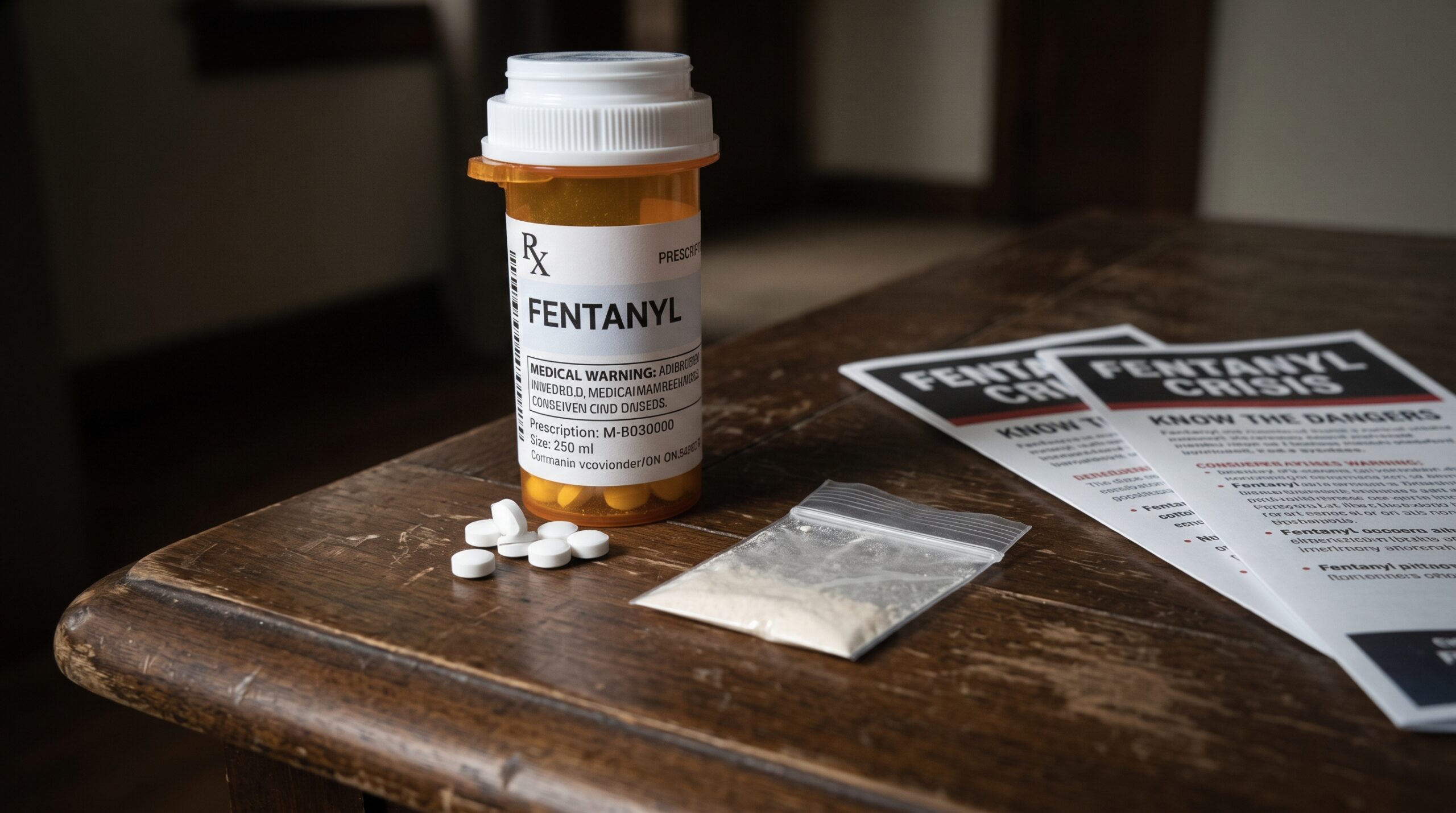
Fentanyl withdrawal symptoms can affect nearly every part of the body and mind. While opioid withdrawal is not usually considered life-threatening in otherwise healthy adults the way severe alcohol or benzodiazepine withdrawal can be, it is often physically exhausting, emotionally overwhelming, and difficult to complete without medical support. The severity of withdrawal varies based on the amount of fentanyl used, the duration of use, individual health, and whether other substances are involved.
Physical Fentanyl Withdrawal Symptoms
Physical withdrawal symptoms develop because the brain and nervous system have adapted to functioning with fentanyl present. Once the drug is removed, the body temporarily struggles to regulate pain, stress hormones, digestion, sleep, and body temperature.
Early symptoms often include restlessness, anxiety, excessive yawning, sweating, watery eyes, runny nose, muscle aches, and intense drug cravings. As withdrawal progresses, many people develop nausea, vomiting, diarrhea, abdominal cramping, chills, goosebumps, tremors, elevated heart rate, difficulty sleeping, and severe fatigue. Although these symptoms generally improve over time, persistent vomiting or diarrhea may increase the risk of dehydration and require medical attention.
Emotional and Psychological Withdrawal Symptoms
The emotional effects of fentanyl withdrawal can be just as challenging as the physical symptoms. Many individuals experience anxiety, irritability, mood swings, depression, panic, difficulty concentrating, and an overwhelming sense of restlessness. Everyday situations may suddenly feel stressful or emotionally overwhelming as the brain adjusts to functioning without opioids.
Cravings are often one of the most difficult aspects of fentanyl withdrawal. Rather than simply wanting to use again, many people feel an intense physical urge driven by changes in brain chemistry caused by opioid dependence. Without treatment, these cravings frequently become the reason someone returns to fentanyl use before withdrawal has fully resolved.
Because withdrawal affects both physical health and emotional well-being, successful detox usually involves more than simply managing symptoms. Medical monitoring, emotional support, hydration, nutrition, medication when appropriate, and preparation for ongoing addiction treatment all help improve comfort and reduce the likelihood of relapse.
When Do Fentanyl Withdrawal Symptoms Start and How Long Do They Last?
There is no single fentanyl withdrawal timeline that applies to everyone. The exact timing depends on factors such as the amount of fentanyl used, frequency of use, overall health, metabolism, whether other substances are involved, and whether medications are used during detox. Even so, most people experience a similar progression of symptoms.
Medical detox can significantly improve comfort throughout each stage of withdrawal. Healthcare providers monitor symptoms, adjust medications when appropriate, and help individuals safely transition from acute withdrawal into ongoing addiction treatment instead of facing the recovery process alone.
Possible early symptoms
Early anxiety, sweating, restlessness and cravings may emerge.
Symptoms may build
Nausea, chills, body aches and sleep disruption may increase.
Acute withdrawal
Symptoms may intensify, including gastrointestinal distress and strong cravings.
Early stabilization
Physical symptoms may begin improving, although timing varies.
Continuing recovery
Mood, energy, sleep and cravings may require continued support.
Why Is Medical Fentanyl Detox Safer Than Quitting at Home?
Many people attempt to stop using fentanyl on their own because they feel embarrassed, worry about treatment costs, or believe they should be able to quit without help. Unfortunately, fentanyl withdrawal often becomes far more difficult than expected. Severe physical symptoms, emotional distress, dehydration, insomnia, and overwhelming cravings frequently cause people to relapse before their bodies have fully stabilized.
Medical detox provides a safer alternative by offering 24-hour clinical supervision, regular monitoring of withdrawal symptoms, medication management when appropriate, hydration support, nutritional care, and immediate medical attention if complications develop. Rather than struggling through withdrawal alone, individuals receive evidence-based care designed to improve comfort and reduce unnecessary risks.
Professional treatment also removes many of the environmental triggers associated with continued drug use. Instead of remaining surrounded by stress, easy access to fentanyl, or unhealthy relationships, clients can focus entirely on healing while preparing for the next stage of recovery.
How Does Medication-Assisted Treatment (MAT) Help During Fentanyl Detox?
Medication-assisted treatment (MAT) combines FDA-approved medications with counseling and behavioral therapies to treat opioid use disorder. During fentanyl detox, MAT can reduce withdrawal symptoms, decrease cravings, improve treatment retention, and lower the risk of relapse and overdose.
Depending on each person’s needs, medications such as buprenorphine or methadone may be used during or after detox to stabilize brain chemistry and make recovery more manageable. Naltrexone may also be appropriate later in treatment after detox has been completed.
MAT does not replace one addiction with another. Instead, it provides medically supervised treatment that allows individuals to participate fully in therapy, develop healthier coping skills, and focus on long-term recovery rather than constantly battling withdrawal symptoms.
What Happens at a Fentanyl Detox Center in Kentucky?

In a medically supervised fentanyl detox setting, care begins with a comprehensive medical and behavioral health assessment. Kentucky Recovery Center admissions can help clarify which assessment and withdrawal-management services are available and whether referral is needed.
In an appropriately staffed medical detox setting, clients may receive monitoring, symptom management, emotional support, hydration, nutritional guidance, and medication when clinically appropriate. Because many individuals experience co-occurring anxiety, depression, trauma, or other mental health concerns during withdrawal, our team also evaluates these conditions and incorporates them into the overall treatment plan.
Detox is only the beginning of recovery. Before completing withdrawal management, a continuing-care plan may recommend residential treatment, partial hospitalization, intensive outpatient treatment, medication for opioid use disorder, or continued behavioral health services. This seamless transition helps reduce relapse risk and supports long-term recovery.
What Treatment Should Come After Fentanyl Detox?
Detox stabilizes the body, but lasting recovery requires ongoing treatment. After completing fentanyl detox, many individuals benefit from residential treatment, partial hospitalization, intensive outpatient programs, outpatient therapy, medication-assisted treatment, relapse prevention planning, family therapy, and treatment for co-occurring mental health disorders.
Without continued care, many people find themselves facing the same stressors, triggers, and cravings that contributed to fentanyl use in the first place. Comprehensive addiction treatment helps individuals build healthy coping skills, strengthen support systems, and develop the tools needed for long-term recovery.
Why Choose Kentucky Recovery Center for Fentanyl Detox in Kentucky?
Choosing the right detox center is one of the most important decisions you’ll make during recovery. Kentucky Recovery Center can help prospective clients explore addiction treatment, co-occurring mental health needs, and appropriate withdrawal-management arrangements. Confirm the availability and location of medical detox and medications for opioid use disorder directly with admissions.
If you or someone you love is struggling with fentanyl addiction, you don’t have to face withdrawal alone. Our admissions team is available to answer your questions, verify insurance benefits, and help you begin recovery with compassionate, evidence-based care. Taking the first step today could be the beginning of a healthier, substance-free future.
Admissions and Insurance Verification
Speak with admissions about your concerns and next steps.
Discuss substance use, health history and treatment needs.
Ask admissions to verify benefits and explain coverage and costs.
Confirm an appropriate withdrawal-management setting and realistic admission timeline.
FAQs About Fentanyl Detox in Kentucky
Can you detox from fentanyl at home?
Attempting fentanyl withdrawal alone can lead to severe symptoms, dehydration and a high risk of returning to use. Seek an individualized medical assessment and appropriate withdrawal-management setting.
What are the first fentanyl withdrawal symptoms?
Early signs may include anxiety, sweating, yawning, restlessness, muscle aches, sleep changes and cravings.
How long does fentanyl detox take?
Timing varies, especially with illicit fentanyl exposure and other substances. Acute symptoms may last several days or longer, and cravings and sleep changes can persist.
Is fentanyl detox painful?
Withdrawal may involve significant muscle aches, nausea, diarrhea, anxiety and insomnia. A qualified clinician can discuss options for symptom relief.
Can MAT really help with fentanyl withdrawal?
Medications for opioid use disorder, including buprenorphine or methadone when appropriate, can ease withdrawal and cravings and support ongoing treatment. Starting buprenorphine requires individualized assessment because of precipitated-withdrawal risk.
Is fentanyl detox enough to recover from addiction?
No. Detox or withdrawal management addresses the initial physical transition; ongoing treatment and recovery support are important.
Why do fentanyl cravings feel so intense during detox?
Repeated opioid exposure changes the brain’s reward and stress systems. Cravings may continue after acute physical symptoms improve.
Why is fentanyl detox harder after repeated relapse?
Repeated use, fentanyl exposure, co-occurring substance use and reduced opioid tolerance can complicate withdrawal and increase overdose risk after a return to use.
What should families know about fentanyl detox?
Families can support a medical assessment, avoid judgment, ask about naloxone and overdose prevention, and help coordinate continued care.
Can fentanyl withdrawal affect your mental health?
Yes. Anxiety, depression, irritability and sleep disturbances can occur. Urgent evaluation is needed for suicidal thoughts or severe psychiatric symptoms.
Sources and Further Reading
Talk With Kentucky Recovery Center
Our admissions team can discuss fentanyl withdrawal concerns, insurance benefits, residential treatment and whether medical detox must be arranged with another provider.
 Medically Reviewed By:
 Clinically Reviewed By:
Our Verifications & Affiliations






Your Insurance May Cover The Cost Of Detox and Rehab
Supporting Families Through Recovery
We understand addiction affects the whole family. Our comprehensive family program helps rebuild trust and restore relationships.
Weekly Family Therapy Sessions
Educational Workshops
Support Groups
Communication Skills Training