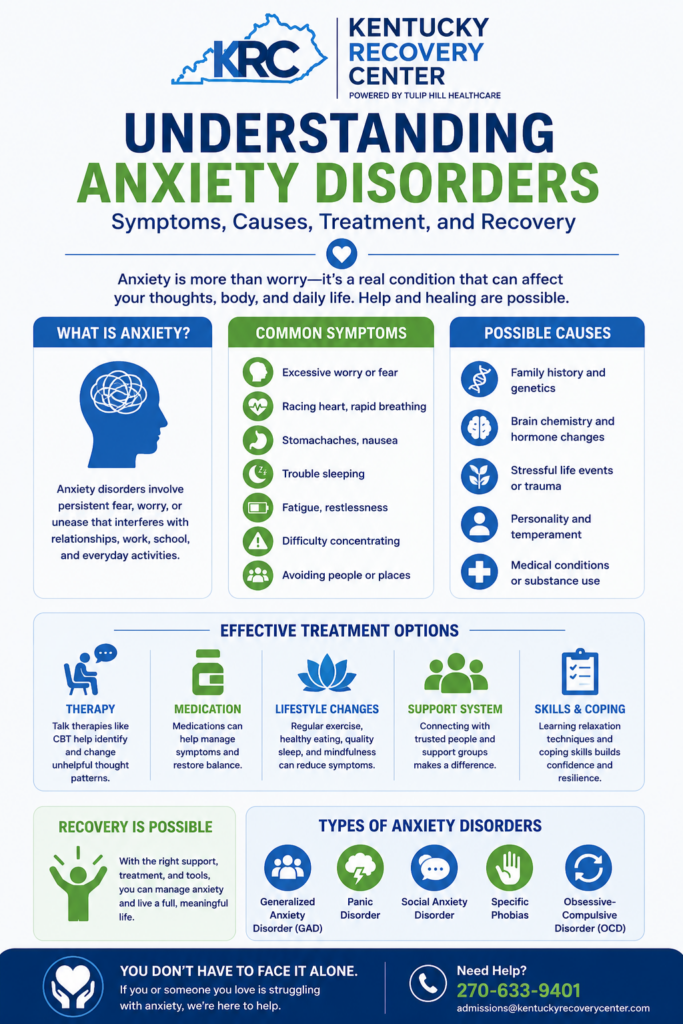
Anxiety is one of the most common mental health concerns in the United States, yet it is also one of the most misunderstood. Nearly everyone experiences anxiety at some point in life. It is natural to feel nervous before a job interview, worried while waiting for important medical test results, or stressed during periods of financial uncertainty or major life change. In many situations, anxiety serves a useful purpose by encouraging us to pay attention, prepare for challenges, and respond to potential threats. It is part of the body’s built-in survival system and has helped humans adapt and stay safe throughout history.
An anxiety disorder is different. Instead of appearing briefly during stressful situations and then fading once the challenge has passed, anxiety becomes persistent, overwhelming, and difficult to control. Worry may continue long after the stressful event has ended or arise without any obvious cause at all. Physical symptoms such as a racing heart, muscle tension, shortness of breath, nausea, dizziness, or difficulty sleeping may become part of everyday life. Many people begin avoiding situations that trigger anxiety, gradually limiting their ability to work, attend school, maintain relationships, travel, or participate in activities they once enjoyed. Over time, anxiety can affect nearly every aspect of physical, emotional, and social well-being.
At Kentucky Recovery Center, we understand that anxiety disorders often exist alongside substance use disorders. Many individuals who seek treatment for alcohol or drug addiction have also been living with untreated anxiety for months or even years. In some cases, anxiety developed long before substance use began. In others, prolonged alcohol or drug use changed brain chemistry and contributed to worsening anxiety symptoms. Regardless of which condition appeared first, the two frequently reinforce one another, creating a cycle that becomes increasingly difficult to break without professional treatment. This relationship is one reason comprehensive, integrated care for co-occurring mental health and substance use disorders has become an essential part of modern addiction treatment.
Learning about anxiety disorders is an important first step toward recovery. Understanding why anxiety develops, how it affects the brain and body, and what evidence-based treatments are available can help remove the fear and uncertainty that often surround mental health conditions. Anxiety disorders are highly treatable, and with the right combination of therapy, support, healthy coping skills, and when appropriate, medication, many people experience significant improvement in both their symptoms and overall quality of life.
What Is Anxiety?
Anxiety is a normal emotional and physical response to perceived danger or uncertainty. It is closely connected to the body’s stress response, sometimes called the fight-or-flight response. When the brain believes there is a threat, whether it is physical or emotional, it activates a complex network involving the nervous system and several hormones. Adrenaline increases heart rate and blood pressure, breathing becomes faster to deliver more oxygen to the muscles, and cortisol helps mobilize energy so the body can respond quickly. These reactions developed to protect humans from immediate danger, allowing our ancestors to react quickly to predators or other life-threatening situations.
Although modern life presents very different challenges than those faced thousands of years ago, the body’s response has remained largely the same. Today, anxiety may be triggered by deadlines at work, financial pressures, relationship conflicts, health concerns, or uncertainty about the future rather than physical danger. In healthy amounts, anxiety can improve concentration, increase motivation, and encourage thoughtful decision-making. Feeling nervous before giving a presentation, taking an important exam, or starting a new job is completely normal and often helps people prepare more effectively.
Problems arise when the brain begins interpreting ordinary situations as threats even when no real danger exists. The body’s alarm system may activate repeatedly or remain switched on for long periods, keeping an individual in a constant state of heightened alertness. Instead of helping someone function more effectively, chronic anxiety begins interfering with daily life. Sleep becomes difficult, concentration declines, relationships suffer, and ordinary responsibilities may start to feel overwhelming. Rather than serving as a temporary response to stress, anxiety becomes a constant companion that affects nearly every decision a person makes.
One of the reasons anxiety disorders can feel so confusing is that their symptoms are not limited to emotions alone. Anxiety affects both the mind and the body. Some individuals primarily experience excessive worry or racing thoughts, while others notice physical symptoms such as chest tightness, stomach discomfort, headaches, muscle pain, or dizziness. These physical symptoms can be so intense that people sometimes believe they are experiencing a serious medical emergency. In fact, panic attacks frequently lead individuals to emergency departments because symptoms can closely resemble those of a heart attack. Understanding this connection between the brain and the body is essential because effective treatment addresses both the psychological and physical aspects of anxiety rather than focusing on only one set of symptoms.
When Does Anxiety Become an Anxiety Disorder?
Everyone worries occasionally. Most people have experienced sleepless nights before important life events or periods of stress that temporarily increased feelings of nervousness. These experiences are part of being human and generally resolve once the situation improves. Anxiety disorders, however, involve much more than everyday worry.
An anxiety disorder develops when fear, nervousness, or worry become persistent, excessive, and difficult to control. Instead of responding proportionally to actual events, anxiety may become significantly greater than the situation warrants or occur even when there is no obvious threat. Thoughts often become repetitive and intrusive, making it difficult to focus on work, enjoy hobbies, maintain relationships, or relax. Many people recognize that their fears may seem unreasonable, yet they still find themselves unable to stop worrying.
Mental health professionals diagnose anxiety disorders based on established clinical criteria rather than the presence of occasional stress. These conditions typically involve symptoms that persist for weeks or months, interfere with important areas of daily functioning, and cause significant emotional distress. The specific symptoms vary depending on the type of anxiety disorder, but the common thread is that anxiety begins controlling a person’s life rather than serving as a helpful emotional response.
Over time, many individuals unknowingly begin changing their lives to accommodate anxiety. Someone who experiences panic attacks may avoid driving on highways because they fear becoming trapped in traffic. A person with social anxiety may decline invitations, avoid public speaking, or turn down career opportunities that involve interacting with others. Individuals with generalized anxiety disorder may spend hours each day worrying about situations that never actually occur. Although these avoidance behaviors may provide temporary relief, they often reinforce anxiety over time by preventing people from learning that many feared situations are actually safe.
Because anxiety disorders develop gradually, many people do not immediately recognize how much their lives have changed. What begins as avoiding one uncomfortable situation can slowly expand into avoiding many others. Relationships become strained, career goals are postponed, physical health declines due to chronic stress, and overall quality of life diminishes. Recognizing these patterns is often one of the most important moments in recovery because it opens the door to seeking professional help and learning healthier ways to manage anxiety.
How Common Are Anxiety Disorders?
Anxiety disorders are the most common category of mental health conditions in the United States. According to the National Institute of Mental Health, millions of American adults experience an anxiety disorder each year, and many more experience symptoms without ever receiving a formal diagnosis. These conditions affect people of every age, race, ethnicity, socioeconomic background, and profession. Children, adolescents, adults, and older adults can all develop anxiety disorders, although symptoms may appear differently depending on a person’s age and life circumstances.
Despite how common anxiety disorders are, many individuals delay seeking treatment. Some assume that constant worry is simply part of their personality. Others believe they should be able to handle anxiety on their own or fear being judged if they admit they are struggling. Unfortunately, these misconceptions often prevent people from receiving care that could significantly improve their lives.
The stigma surrounding mental health has decreased in recent years, but many barriers still remain. Some individuals worry that discussing anxiety may affect their careers or relationships. Others have experienced symptoms for so long that they no longer remember what life feels like without constant worry. They may assume that living with anxiety is simply their normal.
The encouraging reality is that anxiety disorders respond well to treatment. Research consistently shows that evidence-based therapies, healthy lifestyle changes, appropriate medications when indicated, and strong support systems can substantially reduce symptoms for many individuals. Early intervention often leads to better outcomes, but meaningful improvement is possible regardless of how long someone has been living with anxiety.
The Connection Between Anxiety and Addiction
One of the most important aspects of understanding anxiety disorders is recognizing how closely they are connected to substance use disorders. These conditions frequently occur together, a situation known as co-occurring disorders or dual diagnosis. Studies have consistently shown that individuals living with anxiety disorders are at a higher risk of developing problems with alcohol or drugs, while long-term substance use can also contribute to the development or worsening of anxiety symptoms.
For many people, substance use begins as an attempt to manage emotional pain rather than to seek intoxication. Someone struggling with constant worry may discover that alcohol temporarily quiets racing thoughts after a stressful day. Another individual experiencing panic attacks may misuse prescription medications because they provide short-term relief from overwhelming fear. Others may turn to marijuana, opioids, or other substances hoping to reduce emotional distress or help themselves sleep.
Initially, these substances may appear to work. Alcohol slows activity within the central nervous system, temporarily creating feelings of relaxation. Certain prescription medications reduce anxiety by affecting brain chemicals involved in the stress response. Even stimulants may provide temporary confidence for someone struggling with social anxiety. Unfortunately, these effects are short-lived, and the brain gradually adapts to repeated substance use.
As tolerance develops, individuals often require larger amounts of alcohol or drugs to achieve the same level of relief. Eventually, the brain becomes increasingly dependent on these substances to regulate emotions. When the substances wear off, anxiety frequently returns stronger than before. This rebound effect can create a powerful cycle in which increasing anxiety leads to increased substance use, which in turn produces even greater anxiety over time.
Breaking this cycle requires more than simply stopping alcohol or drug use. If the underlying anxiety disorder remains untreated, many individuals continue experiencing the emotional distress that originally contributed to substance use. This is one reason integrated treatment that addresses both addiction and mental health simultaneously has become the standard of care for individuals with co-occurring disorders. Rather than viewing addiction and anxiety as separate conditions, comprehensive treatment recognizes that lasting recovery often depends on healing both at the same time.
Recognizing the Symptoms of Anxiety Disorders
Anxiety disorders affect far more than a person’s thoughts. While excessive worry is often the symptom people recognize first, anxiety can influence nearly every system in the body. The brain and nervous system are closely connected to the heart, lungs, digestive tract, muscles, immune system, and endocrine system. When the body’s stress response remains activated for extended periods, physical symptoms often become just as disruptive as emotional ones. This is one reason anxiety disorders can sometimes be mistaken for heart disease, gastrointestinal conditions, respiratory illnesses, or other medical problems before an accurate diagnosis is made.
The emotional symptoms of anxiety often begin subtly. A person may find themselves constantly anticipating worst-case scenarios, even when there is little evidence that something is wrong. Everyday decisions become difficult because every possible outcome is analyzed repeatedly. Minor problems may feel overwhelming, and uncertainty becomes increasingly uncomfortable. Many individuals describe feeling as though their minds never slow down. Instead of enjoying the present moment, they remain focused on what could happen tomorrow, next week, or next year.
Alongside excessive worry, anxiety frequently causes irritability, restlessness, impatience, and an ongoing sense of uneasiness. Some people describe feeling constantly “on edge,” as though they are waiting for something bad to happen. Even during enjoyable activities, they may struggle to relax because their minds continue searching for potential problems. This persistent state of alertness can become emotionally exhausting, making it difficult to experience peace even in safe environments.
Cognitive symptoms often develop as anxiety becomes more severe. Concentration becomes increasingly difficult because the brain is consumed by anxious thoughts. Individuals may reread the same paragraph multiple times without retaining information or find themselves unable to complete tasks that once felt simple. Memory problems may also develop, not because intelligence has declined, but because chronic stress affects attention and information processing. Students, professionals, and parents alike may notice that anxiety makes it harder to stay organized, make decisions, or maintain productivity.
Physical symptoms are equally common and often surprising to those experiencing them for the first time. A racing heartbeat, chest tightness, rapid breathing, dizziness, trembling, muscle tension, headaches, excessive sweating, stomach pain, nausea, diarrhea, and chronic fatigue are all possible manifestations of anxiety. Sleep disturbances are particularly common. Some individuals struggle to fall asleep because their minds remain active long after bedtime, while others wake repeatedly throughout the night worrying about responsibilities or imagined problems. Poor sleep then increases anxiety the following day, creating another cycle that becomes difficult to interrupt.
Behavioral changes frequently accompany these emotional and physical symptoms. Individuals may begin avoiding places, people, or situations that make them feel anxious. At first these changes may seem reasonable, but avoidance often expands over time. Someone who experiences anxiety while driving on busy highways may eventually avoid driving altogether. A person who feels uncomfortable speaking in meetings may stop participating at work, limiting career growth and professional relationships. Although avoidance provides temporary relief, it also reinforces anxiety by preventing people from discovering that many feared situations are actually manageable.
Because anxiety presents differently from one person to another, no two individuals experience it exactly the same way. One person may primarily struggle with physical symptoms, while another experiences overwhelming worry with few noticeable physical changes. Some individuals have brief periods of intense anxiety followed by relative calm, while others live with persistent symptoms that rarely subside. Recognizing these differences helps explain why individualized treatment is so important. Effective care focuses not only on reducing symptoms but also on understanding how anxiety uniquely affects each person’s daily life.
The Different Types of Anxiety Disorders
Although anxiety disorders share many similarities, they are not all the same. Mental health professionals recognize several distinct anxiety disorders, each with its own patterns of symptoms, triggers, and treatment considerations. Understanding these differences can help individuals better recognize what they are experiencing and encourage them to seek appropriate care.
Generalized Anxiety Disorder
Generalized Anxiety Disorder, commonly called GAD, is characterized by persistent and excessive worry about multiple areas of life. Rather than focusing on one specific concern, individuals with GAD often worry about work, finances, health, relationships, family members, current events, and future possibilities simultaneously. Even when one concern is resolved, another often takes its place.
What makes generalized anxiety disorder particularly challenging is that the worries often involve everyday situations. A parent may constantly fear something will happen to their children despite no evidence of danger. An employee may repeatedly question whether they made a mistake at work even after receiving positive feedback. Financial concerns may continue despite stable employment and adequate savings.
People living with generalized anxiety disorder frequently recognize that their worries are excessive, yet they find themselves unable to stop. Attempts to reassure themselves often provide only temporary relief before new concerns emerge. Over time, this constant mental activity becomes exhausting and contributes to sleep problems, muscle tension, headaches, digestive issues, and chronic fatigue.
Generalized anxiety disorder often develops gradually, making it difficult for individuals to identify exactly when their anxiety became problematic. Many simply believe they have always been “worriers” until they realize how significantly anxiety has affected their relationships, careers, and overall quality of life.
Panic Disorder
Panic disorder involves recurring panic attacks accompanied by an ongoing fear of experiencing additional attacks. A panic attack is a sudden surge of intense fear or discomfort that reaches its peak within minutes. During an attack, physical symptoms can become so severe that many people believe they are having a heart attack, stroke, or other life-threatening medical emergency.
Heart palpitations, chest pain, shortness of breath, dizziness, shaking, sweating, nausea, numbness, chills, and feelings of unreality are all common during a panic attack. Some individuals describe feeling as though they are losing control, going crazy, or dying.
Although panic attacks are frightening, they are not physically dangerous. The symptoms result from an exaggerated activation of the body’s stress response rather than a medical emergency. However, because the physical sensations feel so intense, many individuals seek emergency medical care before learning that anxiety is responsible.
One of the defining features of panic disorder is what happens between attacks. Individuals often become preoccupied with the possibility of another episode occurring. They may begin avoiding restaurants, shopping centers, highways, airplanes, or other locations where they fear escape might be difficult if panic symptoms develop. This fear of future panic attacks can eventually become more disabling than the attacks themselves.
Social Anxiety Disorder
Social anxiety disorder involves an intense fear of being judged, embarrassed, criticized, or rejected during social or performance situations. This goes far beyond ordinary nervousness before giving a presentation or meeting new people.
Individuals with social anxiety often worry that others will notice signs of anxiety such as blushing, sweating, trembling, or difficulty speaking. They may replay conversations repeatedly afterward, analyzing everything they said and assuming they made a poor impression.
Social anxiety can interfere with education, employment, relationships, and personal growth. Talented professionals may avoid promotions that require public speaking. Students may hesitate to participate in class discussions despite knowing the answers. Others may decline invitations to social gatherings, gradually becoming isolated from friends and family.
Without treatment, social anxiety disorder can significantly limit opportunities throughout life. Fortunately, therapies such as cognitive behavioral therapy and gradual exposure techniques have helped many individuals become more comfortable in social situations while reducing avoidance behaviors.
Specific Phobias
Specific phobias involve intense fear related to a particular object or situation. Common examples include fear of heights, flying, needles, certain animals, storms, elevators, or medical procedures.
Individuals generally recognize that their fear is disproportionate to the actual level of danger, yet the anxiety remains overwhelming. Simply thinking about the feared object may trigger significant distress, while direct exposure can provoke a panic attack.
Many people successfully manage phobias by avoiding the feared situation altogether. However, avoidance is not always practical. Someone with a severe fear of flying may struggle to travel for work or visit distant family members. Fear of medical procedures may delay important healthcare, while fear of driving can significantly reduce independence.
Exposure-based therapies have consistently demonstrated strong success in helping individuals gradually reduce fear while rebuilding confidence.
Agoraphobia
Agoraphobia is often misunderstood as simply being afraid to leave home. In reality, it involves fear of situations where escape may feel difficult or help might not be readily available if intense anxiety or panic symptoms occur.
Individuals may avoid crowded shopping centers, public transportation, movie theaters, concerts, bridges, airports, or even standing in long lines. In severe cases, someone may become increasingly confined to their home because it feels like the only safe environment.
Agoraphobia frequently develops following repeated panic attacks, although it can occur independently as well. The condition often becomes progressively limiting if left untreated because avoidance behaviors expand over time.
Treatment focuses on gradually rebuilding confidence while helping individuals safely reengage with activities they have avoided.
Separation Anxiety Disorder
Although separation anxiety is commonly associated with children, adults can experience it as well. Adult separation anxiety disorder involves excessive fear about being separated from loved ones or significant attachment figures.
Individuals may worry constantly that something terrible will happen to a spouse, child, parent, or close friend while they are apart. They may experience intense distress during travel, avoid overnight trips, or seek constant reassurance regarding the safety of family members.
These fears often interfere with healthy independence and can place strain on important relationships. Like other anxiety disorders, separation anxiety responds well to evidence-based therapeutic interventions designed to reduce fear while improving emotional resilience.
What Causes Anxiety Disorders?
There is no single cause of anxiety disorders. Instead, researchers believe these conditions develop through a complex interaction of biological, psychological, environmental, and social factors. Two individuals may experience the same stressful event, yet only one develops an anxiety disorder. Likewise, someone with a strong family history of anxiety may never experience clinically significant symptoms. Understanding these multiple influences helps explain why treatment is most effective when it addresses the whole person rather than focusing on one contributing factor alone.
Genetics appear to play an important role in anxiety disorders. Studies involving families and twins have consistently found that anxiety tends to occur more frequently among biological relatives. This does not mean anxiety is inherited in a predictable way, but certain inherited traits may increase vulnerability when combined with stressful life experiences.
Brain chemistry also contributes to anxiety. Neurotransmitters such as serotonin, gamma-aminobutyric acid (GABA), dopamine, and norepinephrine help regulate mood, emotional processing, and the body’s stress response. When these systems become dysregulated, individuals may become more sensitive to stress or experience difficulty calming themselves after perceived threats have passed. Modern treatments often target these same neurotransmitter systems to reduce symptoms and improve emotional stability.
Traumatic experiences represent another significant risk factor. Childhood abuse, neglect, domestic violence, military combat, serious accidents, natural disasters, or the sudden loss of a loved one can alter the way the brain responds to future stress. For some individuals, these experiences create a heightened state of vigilance that persists long after the danger has ended. The brain remains prepared for threats that may no longer exist, increasing the likelihood of chronic anxiety.
Personality characteristics may also influence susceptibility. Individuals who naturally tend toward perfectionism, high sensitivity, or excessive self-criticism may experience greater anxiety under stressful circumstances. These traits are not flaws, but they can contribute to patterns of thinking that increase emotional distress if left unaddressed.
Medical conditions can sometimes produce or worsen anxiety symptoms as well. Thyroid disorders, cardiovascular disease, respiratory illnesses, chronic pain conditions, hormonal changes, neurological disorders, and certain medications may all contribute to anxiety. This is one reason healthcare providers often perform medical evaluations before diagnosing an anxiety disorder, ensuring that underlying physical health concerns are identified and appropriately treated.
Environmental stressors continue to influence anxiety throughout adulthood. Financial hardship, relationship difficulties, caregiving responsibilities, workplace stress, academic pressure, major life transitions, and prolonged uncertainty can all increase vulnerability. While these experiences do not automatically cause anxiety disorders, ongoing stress may overwhelm healthy coping mechanisms, particularly when multiple challenges occur simultaneously.
For many individuals, anxiety develops not because of one dramatic event but because of the cumulative effect of years of stress, emotional strain, and untreated mental health concerns. Recognizing these contributing factors helps remove unnecessary self-blame. Anxiety disorders are not signs of personal weakness or failure. They are legitimate medical and mental health conditions that arise from a combination of factors, many of which exist outside an individual’s control.
Risk Factors for Developing an Anxiety Disorder
Although anxiety disorders can affect anyone, researchers have identified several factors that may increase a person’s likelihood of developing one. Having one or more of these risk factors does not mean someone will experience an anxiety disorder, just as having none of them does not guarantee immunity. Mental health is influenced by a combination of genetics, life experiences, physical health, and environment, making every individual’s situation unique.
A family history of anxiety or other mental health conditions is one of the strongest known risk factors. Individuals with close biological relatives who have experienced anxiety, depression, or substance use disorders may inherit certain traits that make them more sensitive to stress. Genetics alone do not determine mental health outcomes, but they can influence how the brain responds to emotional and environmental challenges.
Early childhood experiences also play a significant role in emotional development. Children who grow up in environments characterized by instability, abuse, neglect, chronic conflict, or inconsistent caregiving may develop heightened sensitivity to stress later in life. These experiences can influence how the brain interprets safety and danger, sometimes creating patterns of fear and hypervigilance that continue into adulthood.
Major life transitions can also increase vulnerability. Divorce, the loss of a loved one, unemployment, financial hardship, military deployment, retirement, serious illness, or becoming a caregiver for a family member can all create significant emotional strain. While many people successfully adapt to these changes, others may find that prolonged stress gradually develops into chronic anxiety.
Physical health and mental health are also closely connected. Chronic illnesses such as diabetes, heart disease, thyroid disorders, autoimmune conditions, chronic pain, and respiratory diseases often increase emotional stress while also affecting brain chemistry and sleep quality. Living with ongoing physical symptoms can create uncertainty about the future, adding another layer of anxiety to daily life.
Sleep is another factor that is frequently overlooked. Poor sleep not only increases irritability and fatigue but also reduces the brain’s ability to regulate emotions effectively. Individuals who consistently experience insomnia or disrupted sleep often report worsening anxiety, while increased anxiety further interferes with sleep. Breaking this cycle is often an important component of treatment.
Substance use represents both a risk factor and a consequence of anxiety disorders. Alcohol, marijuana, stimulants, opioids, and prescription medications may initially appear to reduce anxiety symptoms, but long-term use frequently increases emotional instability while altering normal brain function. As tolerance develops and withdrawal symptoms emerge, anxiety often becomes more severe than it was before substance use began.
Recognizing these risk factors is not about assigning blame or predicting someone’s future. Instead, understanding them allows individuals and healthcare providers to identify concerns earlier, intervene sooner, and reduce the likelihood that anxiety will continue worsening over time.
Anxiety and Its Impact on Physical Health
Many people think of anxiety as an emotional condition, but its effects extend throughout the entire body. Because anxiety activates the body’s stress response, nearly every organ system can be affected when symptoms become chronic. This connection between mental and physical health explains why untreated anxiety is associated with a wide range of medical concerns.
The cardiovascular system is particularly sensitive to chronic anxiety. During periods of stress, the heart beats faster, blood pressure increases, and blood vessels constrict in preparation for physical action. While these changes are appropriate during short-term emergencies, remaining in this heightened state for months or years places additional strain on the heart and circulatory system. Individuals living with chronic anxiety may experience persistent heart palpitations, chest discomfort, elevated blood pressure, and increased concern about their physical health, which can further intensify anxiety symptoms.
The digestive system is also strongly influenced by emotional stress. The brain and gastrointestinal tract communicate continuously through what researchers often call the gut-brain axis. When anxiety activates the nervous system, digestion may slow or accelerate, leading to symptoms such as nausea, stomach pain, bloating, diarrhea, constipation, acid reflux, or loss of appetite. Conditions such as irritable bowel syndrome often become worse during periods of heightened stress, illustrating the close relationship between emotional and digestive health.
Muscle tension is another common consequence of anxiety. Many individuals unknowingly keep their shoulders raised, clench their jaws, tighten their neck muscles, or maintain rigid posture throughout the day. Over time, this constant muscle contraction may contribute to headaches, migraines, neck pain, back pain, and chronic discomfort. Some people seek treatment repeatedly for physical pain before recognizing that anxiety is contributing to their symptoms.
The immune system may also be affected by prolonged stress. While temporary stress responses are part of healthy functioning, chronic activation of stress hormones can interfere with immune regulation. Some research suggests that long-term stress may contribute to increased susceptibility to illness, slower healing, and greater inflammation throughout the body. Although anxiety alone does not directly cause disease, it can influence many of the biological systems responsible for maintaining overall health.
Sleep disturbances often become one of the most frustrating aspects of anxiety disorders. Difficulty falling asleep, waking frequently during the night, vivid dreams, or awakening with racing thoughts can leave individuals feeling exhausted even after spending adequate time in bed. Poor sleep then affects concentration, mood, memory, immune function, and emotional regulation, making anxiety feel even more difficult to manage.
Because anxiety produces so many physical symptoms, individuals sometimes undergo extensive medical testing before learning that anxiety is contributing to their discomfort. This does not mean their symptoms are imaginary. The physical sensations are very real, but they originate from ongoing activation of the nervous system rather than an underlying medical emergency. Understanding this distinction can be reassuring and often represents an important step toward effective treatment.
Anxiety and Depression Often Occur Together
Mental health conditions rarely exist in isolation. One of the most common combinations seen by mental health professionals is anxiety occurring alongside depression. Although these conditions have distinct symptoms, they share many biological, psychological, and environmental influences, making it common for an individual to experience both simultaneously.
Anxiety is generally characterized by excessive fear, worry, and anticipation of future problems, while depression is more often associated with persistent sadness, hopelessness, loss of interest, low energy, and diminished motivation. When both conditions occur together, they can intensify one another in significant ways.
Someone experiencing chronic anxiety may become emotionally exhausted after months or years of constant worry. Everyday tasks begin feeling overwhelming, relationships become strained, and enjoyment gradually disappears from activities that once brought happiness. Over time, this emotional exhaustion may contribute to symptoms of depression.
Conversely, depression may increase anxiety by reducing confidence, increasing uncertainty, and making routine responsibilities feel more difficult. Financial concerns, work performance, social interactions, and family responsibilities may all become additional sources of worry, creating an ongoing cycle between the two conditions.
Individuals living with both anxiety and depression often report feeling trapped between constant nervousness and overwhelming exhaustion. They may desperately want to feel better but struggle to find the energy or motivation to take the first steps toward recovery. Because symptoms overlap, diagnosis sometimes requires careful evaluation by experienced mental health professionals who can identify the full range of emotional concerns affecting an individual.
The presence of both conditions may also increase the likelihood of substance use. Alcohol or drugs may temporarily seem to reduce anxiety while simultaneously numbing emotional pain associated with depression. Unfortunately, these short-term effects often worsen both disorders over time, increasing the complexity of treatment.
Integrated care addresses anxiety and depression simultaneously rather than treating each condition independently. Evidence-based therapies such as cognitive behavioral therapy, dialectical behavior therapy, trauma-informed care, and when appropriate, carefully monitored medications have helped many individuals achieve meaningful improvement in both anxiety and depressive symptoms.
How Anxiety Disorders Are Diagnosed
Receiving an accurate diagnosis is one of the most important steps toward effective treatment. Because anxiety can resemble many physical illnesses and often occurs alongside other mental health conditions, diagnosis involves much more than simply describing feelings of worry.
A comprehensive evaluation typically begins with a detailed conversation about an individual’s symptoms, medical history, mental health history, family history, and current life circumstances. Healthcare providers often ask when symptoms began, how frequently they occur, what situations trigger anxiety, and how anxiety affects work, relationships, sleep, and everyday functioning. These discussions help identify patterns that distinguish normal stress from a clinically significant anxiety disorder.
Medical evaluations are often an important part of the diagnostic process as well. Certain thyroid disorders, heart conditions, respiratory illnesses, neurological disorders, hormonal imbalances, medication side effects, and other physical health concerns can produce symptoms that resemble anxiety. Ruling out these possibilities helps ensure individuals receive the most appropriate treatment for their specific situation.
Mental health professionals may also use standardized screening questionnaires to better understand symptom severity and identify specific anxiety disorders. These tools are not intended to replace clinical judgment but rather to support a comprehensive assessment. They help providers evaluate changes over time and measure treatment progress as recovery continues.
Diagnosis also involves distinguishing between different anxiety disorders because treatment recommendations may vary depending on the individual’s primary symptoms. Someone experiencing frequent panic attacks may benefit from different therapeutic approaches than someone whose anxiety centers primarily around social situations or chronic generalized worry.
It is equally important to evaluate for co-occurring conditions. Depression, post-traumatic stress disorder, obsessive-compulsive disorder, attention-deficit/hyperactivity disorder, eating disorders, and substance use disorders commonly occur alongside anxiety. Identifying these conditions early allows treatment providers to develop a comprehensive plan that addresses all contributing factors rather than focusing on only one diagnosis.
For individuals entering addiction treatment, this assessment becomes particularly valuable. Anxiety symptoms may improve as substances leave the body, but they may also persist if an underlying anxiety disorder existed before substance use began. Careful evaluation allows clinicians to distinguish temporary withdrawal symptoms from ongoing mental health conditions that require continued treatment.
Perhaps most importantly, receiving a diagnosis should never be viewed as receiving a label. Instead, it provides an explanation for symptoms that may have felt confusing or overwhelming for years. A diagnosis offers direction, helping individuals understand what they are experiencing while opening the door to effective, evidence-based care.
Anxiety Disorders Are Highly Treatable
One of the most encouraging aspects of modern mental healthcare is that anxiety disorders respond exceptionally well to treatment. Although symptoms may feel overwhelming, they are not permanent, and many people experience substantial improvement with appropriate care. Recovery rarely happens overnight, but gradual progress often leads to lasting changes in emotional health, daily functioning, and overall quality of life.
Effective treatment begins by recognizing that there is no universal solution for anxiety. Every individual’s experiences, symptoms, medical history, and personal goals are different. For some people, therapy alone provides significant relief. Others benefit from a combination of psychotherapy, medication, lifestyle changes, and ongoing support. Individuals with co-occurring substance use disorders often require integrated treatment that addresses both conditions simultaneously.
Rather than simply reducing symptoms, treatment focuses on helping individuals understand the patterns that contribute to anxiety while developing healthier ways of responding to stress. Many people discover they are capable of tolerating uncertainty, managing uncomfortable emotions, and facing situations they once believed were impossible. These changes occur gradually through practice, education, and consistent support rather than through willpower alone.
Treatment also emphasizes long-term resilience. While it may not be possible to eliminate every stressful situation from life, it is possible to develop the skills needed to respond more effectively when challenges arise. Recovery is not defined by never feeling anxious again. Instead, it involves learning that anxiety no longer has to control decisions, relationships, or one’s vision for the future.
Evidence-Based Treatments for Anxiety Disorders
Over the past several decades, researchers have gained a much deeper understanding of anxiety disorders and the most effective ways to treat them. Today, evidence-based treatment combines scientific research with individualized clinical care, recognizing that anxiety affects each person differently. Rather than relying on a single approach, comprehensive treatment often includes psychotherapy, education, healthy lifestyle changes, stress management techniques, family support, and, when appropriate, medication. The goal is not simply to reduce symptoms in the short term but to help individuals build lasting emotional resilience and regain confidence in their daily lives.
One of the first things many people discover during treatment is that anxiety itself is not dangerous, even though it often feels overwhelming. The racing heart, rapid breathing, muscle tension, and intrusive thoughts that accompany anxiety are real physical experiences, but they do not mean someone is losing control or facing immediate danger. Understanding what anxiety is doing inside the brain and body often reduces some of the fear surrounding the symptoms themselves. Education becomes a powerful therapeutic tool because it replaces uncertainty with knowledge and helps people recognize that recovery is possible.
Treatment also focuses on identifying the unique factors contributing to each individual’s anxiety. For one person, unresolved trauma may be at the center of their symptoms. Another may struggle primarily with perfectionism or chronic stress. Someone else may have spent years relying on alcohol or prescription medications to cope with anxiety, creating additional challenges that require specialized care. By understanding the underlying causes rather than simply addressing surface symptoms, clinicians can develop treatment plans that support meaningful, long-term healing.
Cognitive Behavioral Therapy
Cognitive Behavioral Therapy, commonly known as CBT, is considered one of the most effective treatments for anxiety disorders. Decades of research have demonstrated its effectiveness for generalized anxiety disorder, panic disorder, social anxiety disorder, specific phobias, and many other mental health conditions. Rather than focusing exclusively on past experiences, CBT helps individuals understand the relationship between thoughts, emotions, physical sensations, and behaviors occurring in the present.
People living with anxiety often develop automatic patterns of thinking that reinforce fear. They may consistently expect the worst possible outcome, underestimate their ability to cope with challenges, or interpret ordinary situations as signs of danger. These thought patterns develop gradually and often become so familiar that they feel like objective facts rather than interpretations.
CBT teaches individuals to recognize these patterns and examine them more objectively. Instead of immediately accepting anxious thoughts as reality, people learn to ask questions such as whether there is evidence supporting the fear, whether they have successfully managed similar situations before, and whether there may be alternative explanations for what they are experiencing. This process does not encourage unrealistic optimism or positive thinking for its own sake. Instead, it promotes balanced, evidence-based thinking that reduces unnecessary fear while increasing confidence.
Behavioral strategies are equally important within CBT. Individuals gradually practice responding differently to situations that previously triggered anxiety. Rather than avoiding discomfort, they learn that anxiety naturally rises and falls over time. With repeated practice, situations that once felt overwhelming often become increasingly manageable, allowing individuals to reclaim parts of their lives that anxiety had restricted.
Exposure Therapy
Avoidance is one of anxiety’s most powerful reinforcers. When someone avoids a feared situation, they experience temporary relief, which teaches the brain that avoidance is the safest response. Unfortunately, this relief comes at a cost because the brain never has an opportunity to learn that the situation may not actually be dangerous. Over time, avoidance often expands into additional situations, gradually limiting independence and reducing quality of life.
Exposure therapy addresses this cycle by helping individuals face feared situations in a gradual, structured, and supportive manner. Contrary to common misconceptions, exposure therapy does not involve forcing someone into overwhelming situations without preparation. Instead, treatment begins with manageable challenges that allow individuals to build confidence while practicing healthy coping skills.
For example, someone with social anxiety might begin by making brief conversations with familiar people before progressing to larger social settings. An individual with a fear of driving may first practice sitting in a parked vehicle, then driving short distances on quiet streets, and eventually returning to busier roads as confidence increases.
Throughout the process, individuals discover that anxiety naturally decreases over time without relying on avoidance. These repeated experiences teach the brain that feared situations are often much safer than previously believed. As confidence grows, many people regain the freedom to participate in activities they had avoided for months or even years.
Acceptance and Commitment Therapy
Acceptance and Commitment Therapy, often called ACT, represents another evidence-based approach that has gained increasing recognition for treating anxiety disorders. Rather than focusing exclusively on eliminating anxious thoughts, ACT teaches individuals how to change their relationship with those thoughts.
Many people spend enormous amounts of energy trying to stop worrying or force unwanted thoughts to disappear. Unfortunately, this struggle often increases anxiety rather than reducing it. ACT encourages individuals to acknowledge anxious thoughts without allowing those thoughts to determine their actions or define their identities.
Mindfulness plays an important role in this approach. Individuals learn to observe their thoughts and emotions with greater awareness instead of immediately reacting to them. They also identify personal values that provide direction for their lives. Rather than asking whether anxiety is present, treatment shifts toward asking whether a particular action moves someone closer to the life they want to build.
This perspective can be especially empowering because it reminds individuals that meaningful living remains possible even when occasional anxiety persists.
Dialectical Behavior Therapy
Dialectical Behavior Therapy, or DBT, was originally developed to help individuals experiencing intense emotional dysregulation, but many of its principles have proven valuable for anxiety disorders as well. DBT focuses on helping individuals understand, tolerate, and regulate difficult emotions while improving relationships and reducing impulsive behaviors.
One of the central concepts of DBT is learning that uncomfortable emotions do not have to control behavior. Instead of immediately reacting to anxiety through avoidance, substance use, or other unhealthy coping strategies, individuals develop practical skills for managing distress more effectively.
Mindfulness techniques help increase awareness of emotional experiences without judgment. Distress tolerance skills provide tools for navigating periods of intense anxiety without making situations worse. Emotion regulation strategies help individuals better understand what influences their emotional responses, while interpersonal effectiveness skills strengthen communication and boundary setting within relationships.
These abilities become particularly valuable for individuals whose anxiety is closely connected to interpersonal conflict, emotional overwhelm, or co-occurring substance use disorders.
Medications for Anxiety Disorders
Medication can be an important component of treatment for some individuals, although it is rarely considered a complete solution by itself. Decisions regarding medication should always be made in collaboration with qualified medical professionals who can evaluate each person’s symptoms, medical history, current medications, and overall treatment goals.
Several types of medications may be used to help manage anxiety disorders. Selective serotonin reuptake inhibitors, commonly known as SSRIs, are among the most frequently prescribed medications because they have demonstrated effectiveness across multiple anxiety disorders. These medications gradually influence serotonin activity within the brain and often reduce excessive worry, panic symptoms, and physical manifestations of anxiety over time. Because they work gradually, noticeable improvement may take several weeks.
Serotonin-norepinephrine reuptake inhibitors, or SNRIs, function similarly while affecting both serotonin and norepinephrine. These medications may be recommended for individuals experiencing both anxiety and depression or those whose symptoms have not responded adequately to other treatments.
Other medications, including buspirone, hydroxyzine, and certain beta blockers, may be appropriate in specific situations depending on the nature of an individual’s symptoms. Healthcare providers carefully consider the potential benefits and limitations of each option before making recommendations.
Benzodiazepines deserve special consideration because they can provide rapid relief from acute anxiety symptoms. Medications within this category may reduce panic and severe anxiety quickly, making them helpful under carefully supervised circumstances. However, they also carry risks including tolerance, dependence, withdrawal symptoms, cognitive impairment, and misuse. These concerns are particularly important for individuals with current or previous substance use disorders.
For this reason, addiction treatment providers generally approach benzodiazepines cautiously, carefully weighing potential benefits against long-term risks. Alternative treatment strategies are often preferred whenever clinically appropriate.
Medication is most effective when viewed as one component of a broader treatment plan rather than a standalone solution. Combining medication with psychotherapy, healthy lifestyle habits, and ongoing support often produces better long-term outcomes than relying on medication alone.
Treating Anxiety and Addiction Together
When anxiety disorders and substance use disorders occur together, treating only one condition rarely produces lasting results. This is because each disorder influences the other in significant ways. Untreated anxiety may increase cravings and the risk of relapse, while continued substance use often worsens anxiety symptoms by disrupting normal brain function.
Integrated treatment addresses both conditions simultaneously through coordinated care provided by professionals experienced in addiction medicine and mental health. Rather than separating emotional healing from addiction recovery, integrated treatment recognizes that lasting recovery often depends on addressing both at the same time.
The process usually begins with a comprehensive assessment designed to understand the relationship between anxiety and substance use. Clinicians explore when symptoms first developed, how substances have been used to cope with anxiety, and whether additional mental health conditions may also be present. This information helps guide individualized treatment planning.
During treatment, individuals learn healthier coping strategies that replace alcohol or drugs as methods of managing anxiety. Therapy addresses both emotional regulation and relapse prevention while helping individuals identify triggers, strengthen communication skills, and rebuild confidence. Family involvement may also become an important part of recovery, providing education and support for loved ones navigating the healing process together.
At Kentucky Recovery Center, we recognize that recovery involves much more than achieving sobriety. Long-term success often depends on improving emotional wellness, strengthening relationships, developing practical coping skills, and addressing the mental health concerns that may have contributed to substance use in the first place. By treating anxiety and addiction together, individuals are better positioned to build a healthier, more stable future.
Anxiety During Recovery
For individuals recovering from alcohol or drug addiction, anxiety often becomes one of the most important aspects of the healing process. Many people are surprised to discover that anxiety may temporarily feel more noticeable after they stop using substances. This does not mean treatment is failing or that recovery is making life more difficult. In many cases, it reflects the brain beginning to heal after months or years of relying on alcohol or drugs to regulate emotions.
Substances often suppress or mask uncomfortable feelings rather than resolve them. Alcohol may temporarily quiet racing thoughts, while certain prescription medications reduce feelings of panic or nervousness for a short period. Other substances may create a false sense of confidence or emotional distance from stressful situations. Once those substances are removed, emotions that have been suppressed may return with greater intensity.
During early recovery, the brain is also working to restore normal neurotransmitter activity. Alcohol and many drugs alter the way the brain produces and responds to chemicals involved in mood regulation, including serotonin, dopamine, gamma-aminobutyric acid (GABA), and norepinephrine. As these systems begin returning to healthier functioning, temporary fluctuations in mood and anxiety are common. Some individuals experience periods of restlessness, irritability, difficulty sleeping, or heightened emotional sensitivity while their bodies continue to heal.
This adjustment period can be frustrating, particularly for someone who expected to feel better immediately after becoming sober. Recovery, however, is rarely a straight line. Emotional healing often continues long after the physical effects of withdrawal have resolved. The encouraging news is that these symptoms frequently improve as recovery progresses, especially when individuals remain engaged in treatment, therapy, and healthy daily routines.
Learning to experience emotions without relying on substances represents one of the greatest strengths developed during recovery. Rather than escaping anxiety, individuals gradually learn how to understand it, manage it, and respond to it in healthier ways. Over time, situations that once felt overwhelming often become manageable as confidence and coping skills continue to grow.
Building Healthy Habits That Reduce Anxiety
Although there is no single lifestyle change that eliminates anxiety, healthy daily habits create a strong foundation for emotional wellness. The brain functions best when it receives adequate sleep, proper nutrition, regular physical activity, and consistent opportunities for rest and recovery. These seemingly simple habits can significantly improve the body’s ability to regulate stress over time.
Sleep is one of the most important components of mental health. During sleep, the brain processes memories, regulates emotions, and restores many of the systems involved in learning and stress management. Chronic sleep deprivation increases irritability, reduces concentration, and makes anxious thoughts more difficult to manage. Establishing a consistent sleep schedule, limiting screen time before bed, and creating a relaxing bedtime routine often contribute to improved emotional stability.
Physical activity also plays an important role in managing anxiety. Exercise stimulates the release of endorphins and other neurotransmitters that support mood regulation while reducing muscle tension and improving sleep quality. Individuals do not need to become marathon runners to experience these benefits. Walking, swimming, cycling, strength training, yoga, and other enjoyable forms of movement can all contribute to better emotional health when performed consistently.
Nutrition is another factor that influences both physical and mental well-being. A balanced diet helps maintain stable blood sugar levels, supports healthy brain function, and provides the nutrients needed for normal neurotransmitter production. Excessive caffeine, energy drinks, and highly processed foods may increase feelings of nervousness or restlessness in some individuals. While nutrition alone cannot cure anxiety, healthy eating habits often complement other aspects of treatment.
Mindfulness practices have also become increasingly recognized for their role in reducing anxiety. Mindfulness encourages individuals to focus their attention on the present moment instead of becoming consumed by worries about the future or regrets about the past. This may involve meditation, breathing exercises, guided relaxation, prayer, or simply taking time to notice one’s surroundings without judgment. Regular mindfulness practice helps many people become more aware of anxious thoughts without immediately reacting to them.
Maintaining meaningful relationships is equally important. Anxiety often encourages isolation, yet social support remains one of the strongest protective factors for mental health. Spending time with trusted friends, participating in recovery meetings, attending therapy, volunteering, or engaging in community activities provides opportunities for connection that help reduce loneliness and build resilience.
Developing healthy routines does not eliminate life’s challenges, but it strengthens an individual’s ability to navigate those challenges with greater confidence and emotional balance.
When Should Someone Seek Professional Help?
Everyone experiences periods of stress, uncertainty, and worry. However, there are times when anxiety becomes too overwhelming to manage alone. Recognizing these moments and reaching out for professional support can prevent symptoms from becoming more severe while improving long-term outcomes.
One of the clearest signs that professional help may be beneficial is when anxiety begins interfering with daily life. Someone who once enjoyed spending time with family may begin avoiding social situations altogether. A successful employee may struggle to complete routine tasks because of excessive worry or difficulty concentrating. Students may notice declining academic performance despite significant effort. Relationships often become strained as anxiety affects communication, patience, and emotional availability.
Frequent panic attacks also warrant professional evaluation. While panic attacks themselves are not physically dangerous, they can become increasingly disruptive when left untreated. Many individuals begin limiting where they go or what they do out of fear that another attack might occur. This pattern of avoidance often expands over time, reducing independence and quality of life.
Another important warning sign involves using alcohol or drugs to manage anxiety. Although substances may appear to provide temporary relief, they often worsen anxiety in the long run while increasing the risk of dependence and addiction. If someone finds themselves drinking, misusing prescription medications, or using other substances primarily to calm their nerves or escape emotional distress, professional treatment can address both concerns simultaneously.
Persistent sleep problems, ongoing physical symptoms without a clear medical explanation, increasing irritability, hopelessness, or withdrawing from loved ones may also indicate that anxiety has progressed beyond everyday stress.
Seeking professional help should never be viewed as a last resort or a sign of weakness. Just as someone would seek medical care for chest pain or a broken bone, anxiety deserves appropriate attention and evidence-based treatment. Early intervention often reduces the severity of symptoms while helping individuals regain confidence before anxiety significantly disrupts their lives.
There Is Hope Beyond Anxiety
Living with an anxiety disorder can sometimes make the future feel uncertain. Constant worry, physical symptoms, and emotional exhaustion may convince someone that life will always feel this difficult. Fortunately, research and clinical experience consistently demonstrate that this is not the case.
Millions of people have successfully learned to manage anxiety through treatment, education, and ongoing support. Some experience dramatic improvement within months, while others notice gradual progress as they continue practicing new coping skills. Recovery is not measured by the complete absence of anxiety but by the ability to live a full and meaningful life without fear dictating every decision.
Many individuals eventually discover strengths they never realized they possessed. They rebuild relationships, return to school, advance in their careers, reconnect with hobbies, travel, strengthen family bonds, and participate in activities they once believed were impossible. Challenges may still arise, but they no longer define daily life.
Recovery also changes the way people view themselves. Instead of seeing anxiety as evidence that something is wrong with them, they begin recognizing it as a treatable health condition that can be managed through healthy habits, professional support, and continued personal growth.
Perhaps most importantly, anxiety does not diminish a person’s value, intelligence, or potential. It is simply one aspect of their health that deserves care and attention, just like any other medical condition.
How Kentucky Recovery Center Can Help
At Kentucky Recovery Center, we recognize that lasting recovery involves much more than overcoming substance use. Many individuals entering treatment are also living with anxiety, depression, trauma, or other mental health conditions that have influenced their relationship with alcohol or drugs. Treating addiction without addressing these underlying concerns often leaves individuals vulnerable to continued emotional distress and an increased risk of relapse.
Our approach focuses on treating the whole person through individualized, evidence-based care designed to address both substance use disorders and co-occurring mental health conditions. Every treatment plan is tailored to each person’s unique experiences, symptoms, strengths, and recovery goals. Rather than applying the same approach to everyone, our clinical team works collaboratively to identify therapies and interventions that best support long-term healing.
Treatment may include individual therapy, group counseling, family involvement, cognitive behavioral therapy, dialectical behavior therapy, trauma-informed care, relapse prevention planning, psychoeducation, and comprehensive aftercare planning. Throughout the recovery process, clients develop practical skills for managing anxiety, improving emotional regulation, strengthening communication, rebuilding relationships, and navigating everyday stress without returning to alcohol or drugs.
Recovery continues long after residential treatment ends. For this reason, discharge planning and ongoing support remain essential components of care. Individuals leave treatment with personalized plans designed to help them continue building healthy routines, remain connected to community resources, and maintain the progress they have achieved.
Whether anxiety developed before substance use or emerged as addiction progressed, healing is possible. With compassionate care, evidence-based treatment, and continued support, individuals can build healthier lives defined not by fear or addiction but by hope, resilience, and lasting recovery.
Frequently Asked Questions About Anxiety Disorders
What is the difference between anxiety and an anxiety disorder?
Anxiety is a normal response to stress or uncertainty and usually resolves once a situation improves. An anxiety disorder involves persistent, excessive fear or worry that continues over time and interferes with daily functioning, relationships, work, or school.
What is the most common anxiety disorder?
Generalized anxiety disorder is one of the most commonly diagnosed anxiety disorders. It involves excessive, difficult-to-control worry about multiple areas of life that persists for months and often affects both emotional and physical health.
Can anxiety disorders be treated successfully?
Yes. Anxiety disorders are among the most treatable mental health conditions. Many people experience significant improvement through psychotherapy, healthy lifestyle changes, appropriate medications when recommended, and ongoing support.
Can anxiety cause physical symptoms?
Absolutely. Anxiety commonly causes symptoms such as a rapid heartbeat, chest tightness, dizziness, headaches, nausea, muscle tension, digestive problems, sweating, trembling, fatigue, and difficulty sleeping.
Can alcohol make anxiety worse?
Although alcohol may temporarily reduce feelings of anxiety, it often increases anxiety as its effects wear off. Long-term alcohol use can disrupt normal brain chemistry, worsen anxiety symptoms, and contribute to dependence.
Can drug use trigger anxiety disorders?
Yes. Certain substances, including stimulants, marijuana, cocaine, methamphetamine, and some prescription medications, may trigger or worsen anxiety symptoms. Withdrawal from alcohol, benzodiazepines, and other substances can also produce significant anxiety.
What is a panic attack?
A panic attack is a sudden episode of intense fear accompanied by symptoms such as chest pain, rapid heartbeat, dizziness, shortness of breath, sweating, trembling, and feelings of losing control. Although frightening, panic attacks are not typically life-threatening.
How are anxiety disorders diagnosed?
Diagnosis involves a comprehensive evaluation by a qualified healthcare professional who reviews symptoms, medical history, mental health history, daily functioning, and, when appropriate, conducts medical testing to rule out other conditions.
What is dual diagnosis treatment?
Dual diagnosis treatment addresses both a substance use disorder and a mental health condition, such as anxiety, at the same time. Integrated care is often more effective than treating each condition separately.
Can untreated anxiety lead to addiction?
It can increase the risk. Some individuals attempt to manage persistent anxiety with alcohol or drugs, leading to dependence over time. Addressing anxiety early may reduce the likelihood of developing a substance use disorder.
When should someone seek professional help for anxiety?
Professional help is recommended when anxiety becomes persistent, interferes with daily life, causes panic attacks, affects relationships or work performance, or leads someone to rely on alcohol or drugs to cope.
Does Kentucky Recovery Center treat anxiety and addiction together?
Yes. Kentucky Recovery Center provides comprehensive care for adults experiencing substance use disorders and co-occurring mental health conditions, including anxiety disorders. Individualized treatment plans address both conditions simultaneously to support long-term recovery.
Did you know that your insurance plan may cover medical detox?
Get Family Support Now
Supporting Families Through Recovery
We understand addiction affects the whole family. Our comprehensive family program helps rebuild trust and restore relationships.
Weekly Family Therapy Sessions
Educational Workshops
Support Groups
Communication Skills Training
Get Family Support Now